Fusion is expensive. Making the hardware to catch the fire? Even more so.
For hard-tech startups, the bill for manufacturing usually breaks the bank. That is exactly why a $20 million federal grant from the Department of Energy’s ARPA-E program feels less like a windfall and more like survival fuel for Thea Energy. The startup confirmed the award on Monday. They need every dollar. Specifically, they need it to mass-produce their modular high-temperature superconducting magnets.
Why do these magnets matter?
In magnetic confinement reactors—the dominant path for commercial fusion—powerful fields contain plasma. The magnetic squeeze compresses and heats particles until fusion ignites. But the hardware to create those fields is notoriously pricey. HTS magnets are critical. They are also incredibly costly to build.
Most stellarator designs struggle here. A stellarator twists plasma into complex shapes to keep it stable. The magnets mimicking those twists are custom-fitted nightmares. One-off fabrication drives costs skyward.
Thea Energy is trying a different route.
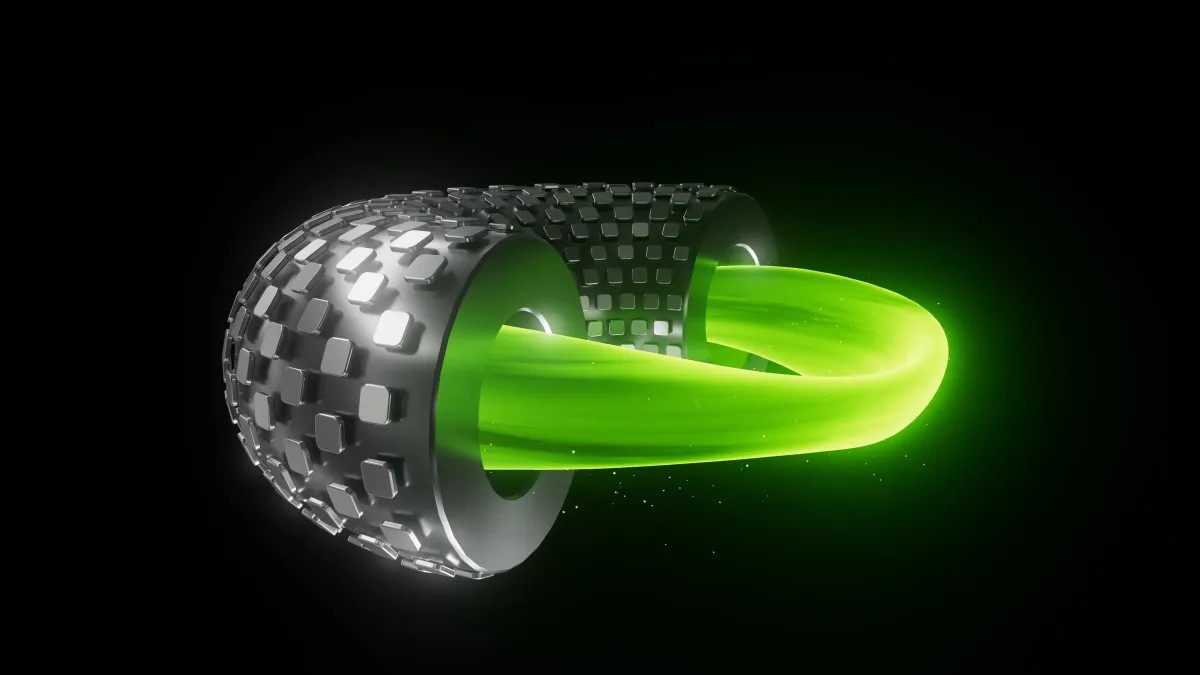
Instead of customizing every piece of metal, Thea reduces variety. It’s a manufacturing shortcut that should lower the price tag significantly. The 12 large, heavy-lifting magnets rely on just four different templates. That’s it.
The smaller magnets tell a better story. There are over 300 of them. They line the reactor’s perimeter like pixels on a screen. Here is the twist: every single one is identical.
Why does uniformity win?
Uniform magnets mean simpler supply chains. They mean less scrap metal. But Thea adds a technological lever here. The small magnets are software-controlled.
This digital adjustment allows for more forgiving construction tolerances. If a magnet isn’t placed with atomic precision, the software compensates. The error margin expands. Costs shrink.
Thea says this approach allows for more forgiving construction tolerances, lowering costs.
It seems obvious now. But for years, fusion hardware demanded bespoke engineering for every component. Thea is betting that standardization, combined with smart software, can make stellarators cheap enough to actually build.
$20 million helps. It buys time. It buys scale. But the real victory isn’t the check. It’s the blueprint. Can identical magnets really tame a twisted plasma tube?
We will see. The reactors need to spin. The magnets need to hold. The bank account needs to stay full. Thea Energy just bought some breathing room. Whether that translates to a working reactor is a different problem. A much harder one. But for now, the manufacturing floor has a little more room to operate.