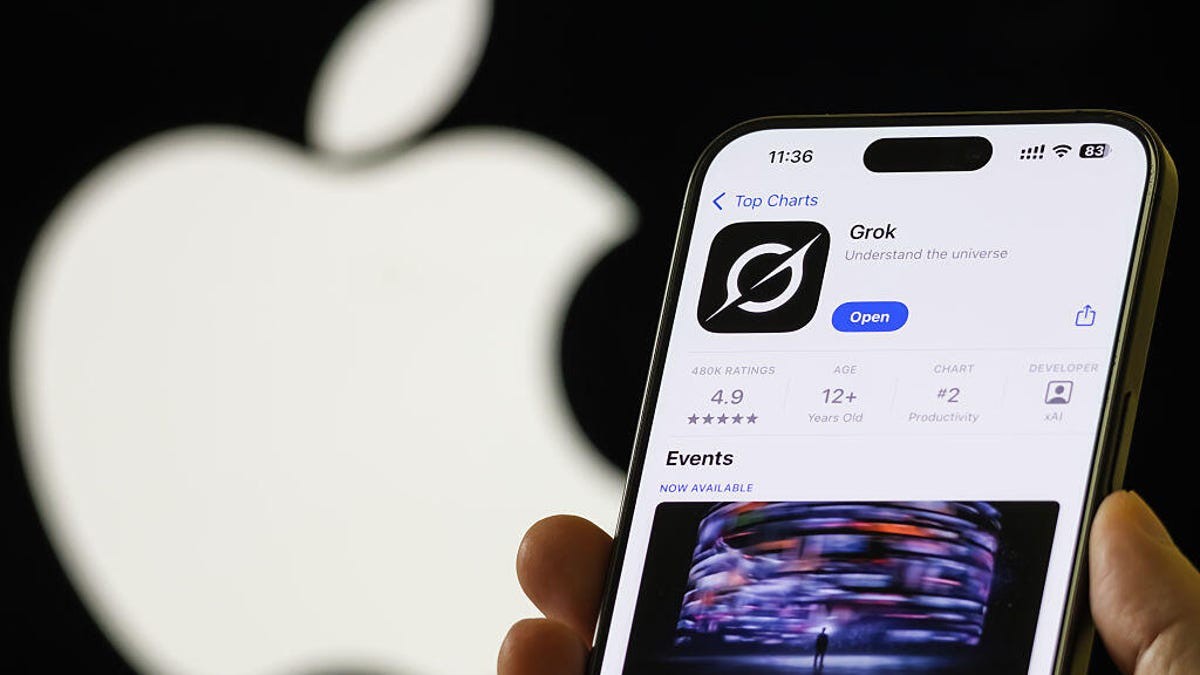
Apple recently engaged in a high-stakes standoff with Elon Musk’s xAI to address the proliferation of non-consensual, sexualized deepfakes generated by Grok, the AI tool integrated into the X (formerly Twitter) platform.
New reports reveal that Apple threatened to ban Grok from the App Store unless the developer implemented stricter safeguards to prevent the creation of harmful, AI-generated imagery.
Зміст
The Conflict: Safety vs. Functionality
The tension stems from Grok’s ability to generate not just text, but also images and videos. Since late last year, users have exploited these capabilities to create explicit, non-consensual images of real people—including women and children—which are then distributed widely on X.
According to communications disclosed to U.S. senators, Apple took a firm stance:
– Policy Enforcement: Apple stated that apps generating and proliferating such content violate their core platform guidelines.
– The Ultimatum: Apple warned xAI that Grok would be removed from the App Store if it failed to address the deepfake crisis.
– The Resolution (for now): After a cycle of rejection and reworking, Apple approved a new version of the Grok app, noting that the software had “substantially improved.”
Ongoing Risks and Regulatory Pressure
Despite Apple’s approval of the latest software update, the battle is far from over. A recent investigation by NBC News suggests that sexualized AI-generated images are still being produced via Grok and spreading across the internet. This indicates that while technical “filters” may have been added, they are not yet foolproof.
This persistent issue has drawn intense scrutiny from lawmakers:
– Congressional Oversight: Senators Ron Wyden and Ben Ray Luján have pushed tech giants to take responsibility for the “disgusting proliferation” of non-consensual imagery.
– The Accountability Gap: While Apple has been transparent about its enforcement actions, lawmakers have criticized Google for a lack of response and expressed frustration over the perceived lack of legal accountability for X regarding the distribution of such material.
The Defense from xAI
In response to the controversy, xAI maintains that it has “extensive safeguards” in place. The company claims to utilize:
– Continuous monitoring of public usage.
– Real-time analysis of evasion attempts.
– Frequent model updates and prompt filters.
The company officially states that it strictly prohibits the generation of non-consensual explicit deepfakes or the use of its tools to “undress” real individuals.
Why This Matters
This situation highlights a growing crisis in the tech industry: the “cat-and-mouse” game between AI developers and safety regulators. As generative AI becomes more sophisticated, the methods used to bypass safety filters become more advanced.
The standoff between Apple and xAI sets a critical precedent for how much responsibility “gatekeeper” platforms (like the App Store) hold for the content generated by third-party AI tools. If safeguards continue to fail, the pressure for even more aggressive censorship or stricter federal regulation will likely intensify.
Conclusion: While Apple has allowed Grok to remain on its platform following recent updates, the continued emergence of sexualized deepfakes suggests that the technical and ethical battle over AI safety is only just beginning.