
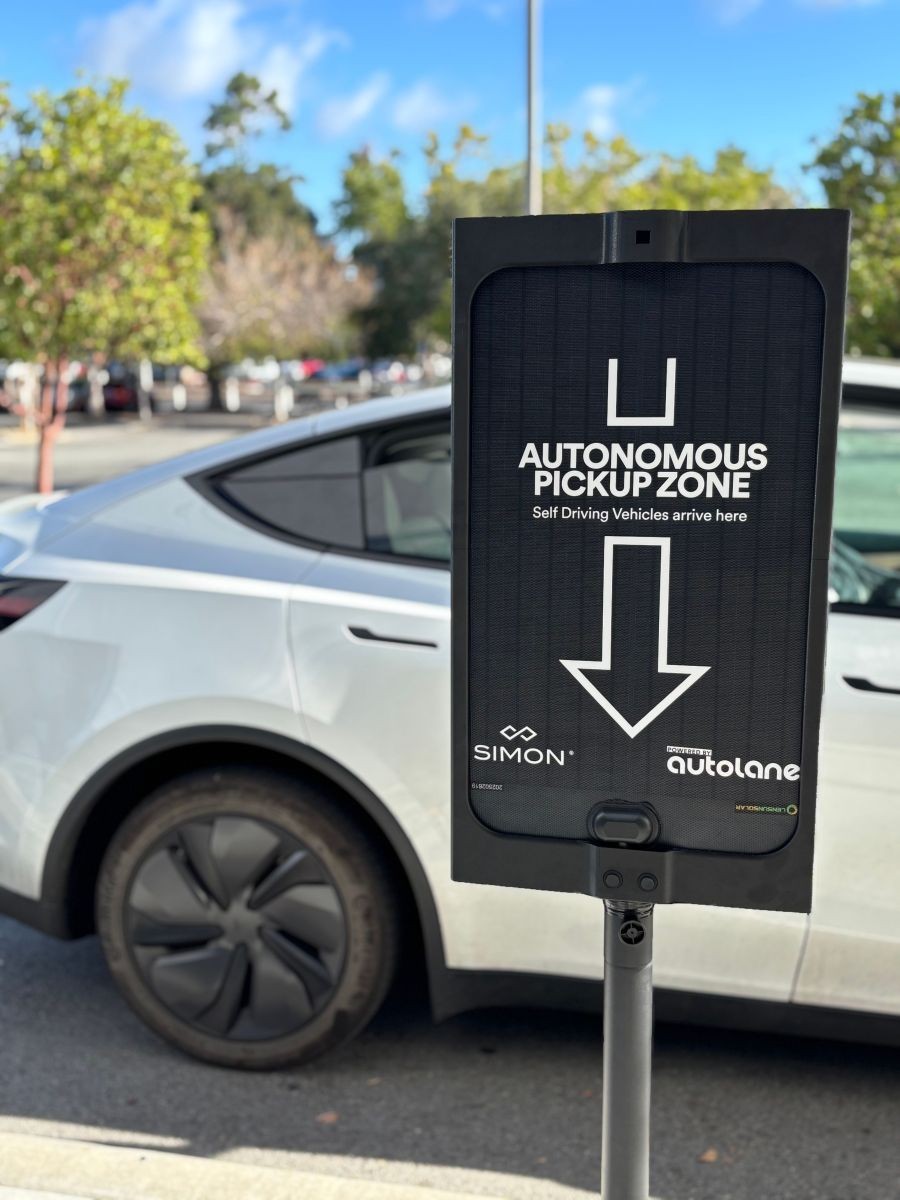
The rollout of self-driving vehicles—from Waymo and Zoox robotaxis to potential delivery services—is accelerating. But as autonomous fleets expand beyond simple rides, coordinating their movements precisely becomes critical. Palo Alto-based Autolane is addressing this gap, raising $7.4 million to develop what it calls “air traffic control” for autonomous vehicles, starting with private properties.
Solving the ‘Last 10 Feet’ Problem
The real challenge isn’t just making vehicles drive themselves; it’s ensuring they navigate handoffs smoothly. Where does a robotaxi exactly stop for a passenger? How does a vehicle retrieve groceries without getting stuck in a drive-through, as seen in the recent Waymo incident at Chick-fil-A? Autolane aims to provide the software and physical infrastructure (signage, designated zones) to eliminate these errors.
Private Property Focus, B2B Model
Autolane isn’t competing with automakers or AI developers; it’s building the “application layer”—the essential coordination between vehicles and locations. The company has already secured a deal with Simon Property Group, one of the world’s largest retail REITs, to deploy its system at shopping centers in Austin and San Francisco. This means designated pick-up/drop-off points, integrated with both the real estate owner’s systems and the autonomous vehicle fleets.
The key is integration: Autolane plans to build APIs that allow businesses to set precise rules for autonomous vehicles operating on their properties. This includes real-time tracking of incoming and outgoing vehicles, ensuring they follow designated routes and avoid confusion.
Why This Matters Now
The founder, Ben Seidl, highlights the exponential growth in autonomous vehicle technology. While companies can add physical signage themselves, coordinating autonomous fleets requires precise geolocation and technological communication—something Autolane provides. The business model is strictly B2B: no public streets or municipalities. Instead, Autolane offers a “hardware-enabled SaaS” solution for businesses like Costco, McDonald’s, or Home Depot to manage autonomous vehicle traffic.
“Someone has got to bring some order to this chaos, and the chaos is already starting.” — Ben Seidl, Autolane CEO
The lack of direct competition is notable, but Seidl expects this to change quickly. The current window of opportunity is driven by the rapidly expanding autonomous vehicle industry, where logistical infrastructure lags behind technological advancements.
In conclusion, Autolane is positioning itself as the essential intermediary between autonomous vehicle operators and private property owners, providing the tools needed to avoid operational chaos as self-driving fleets become increasingly commonplace.