The promise once made by the world’s wealthiest individuals – to give away more than half their fortune – is quietly dissolving. The Giving Pledge, launched in 2010 by Warren Buffett and Bill Gates, aimed to encourage extreme wealth redistribution. However, a growing number of billionaires are questioning, or outright abandoning, this voluntary commitment.
The shift comes as global wealth concentration reaches unprecedented levels. The top 1% in the United States now holds as much wealth as the bottom 90% combined, a disparity unmatched since 1989. Worldwide, billionaire fortunes have surged 81% since 2020, while a quarter of the global population faces chronic food insecurity. This stark contrast has fueled skepticism about the Pledge’s efficacy and relevance.
The Decline in Participation
The numbers tell a clear story: participation is plummeting. In its first five years, 113 families signed the Pledge. This dwindled to 72 in the subsequent five, 43 in the next, and a mere four in all of 2024. Key figures like Elon Musk, Mark Zuckerberg, and Sam Altman remain on the roster, but even some insiders doubt its future.
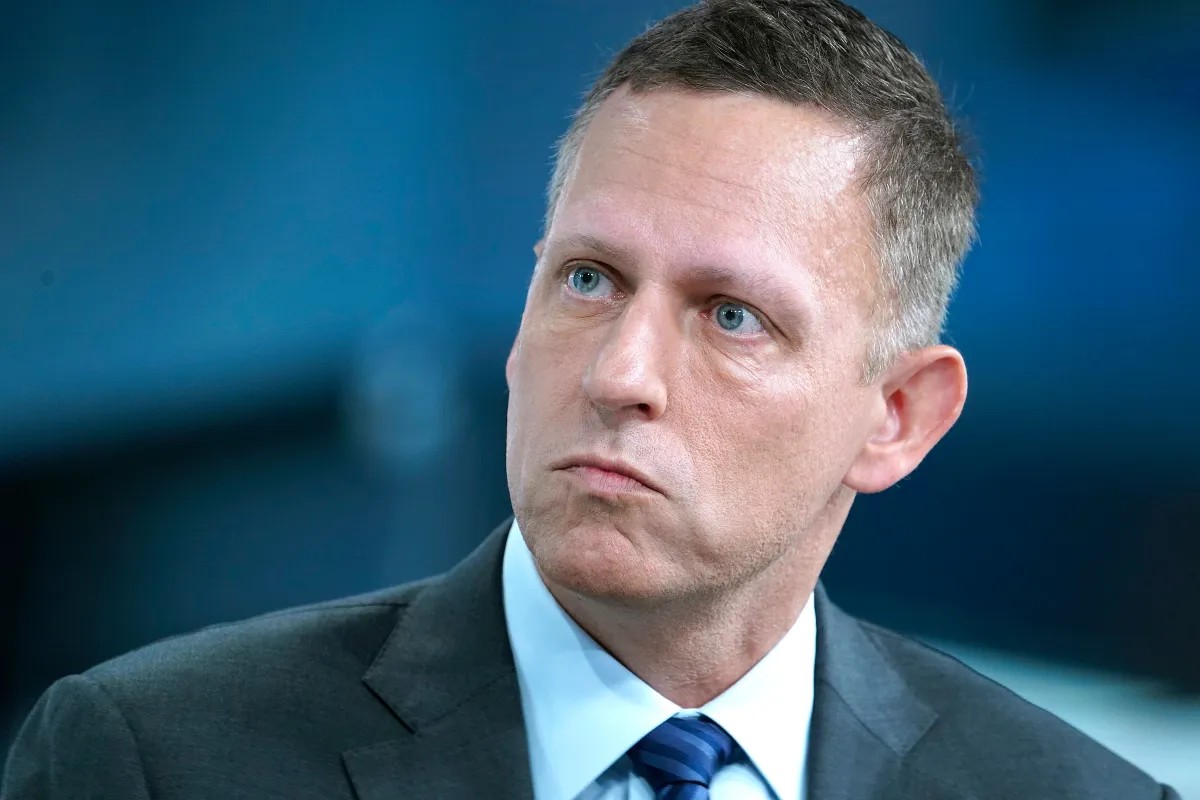
Peter Thiel, a prominent tech investor who never signed the Pledge himself, openly admits to encouraging signatories to withdraw. He describes the Pledge as an “Epstein-adjacent, fake Boomer club” and claims many who remain feel “blackmailed” into maintaining a non-binding promise. Thiel has actively urged Musk to unenroll, arguing that his funds would otherwise go to “left-wing nonprofits” chosen by Gates.
Shifting Ideologies and Priorities
The erosion of enthusiasm reflects a broader ideological shift in Silicon Valley. The once-prevalent rhetoric of “making the world a better place” has been mocked and discarded by some. Veteran tech investor Roger McNamee notes that the libertarian mindset, championed by figures like Thiel, now dominates, prioritizing wealth accumulation over philanthropy.
This mindset is increasingly influencing policy, with libertarian figures now holding positions in government. The traditional framework of “giving back” is being questioned, with some arguing that building companies and driving innovation are sufficient contributions.
The Rise of Independent Philanthropy
While the Giving Pledge falters, many billionaires are still engaging in philanthropy – but on their own terms. Chan Zuckerberg Initiative (CZI), for example, is recalibrating its approach, shifting focus from education and social justice to its Biohub network, a biology-focused research institute.
Bill Gates, however, remains committed to the Pledge, announcing plans to give away virtually all his remaining wealth through the Gates Foundation by 2045. This divergence highlights the growing split between those who view philanthropy as a moral obligation and those who see it as a strategic or even unnecessary endeavor.
Historical Context and Future Outlook
Extreme wealth concentration isn’t new. The Gilded Age of the late 19th century saw similar disparities, but was eventually corrected through trust-busting, taxation, and regulatory reforms driven by political pressure. The institutions that enabled these changes – a functional Congress, a free press, and an empowered regulatory state – are weaker today, raising questions about whether similar corrections will occur.
The wealth accumulated by billionaires in 2025 alone could have provided $250 to every person on Earth while still leaving the wealthiest significantly richer. The Giving Pledge was always a “moral pledge” with no enforcement mechanism. Its initial success suggests a different era, while its current unraveling reflects a world where wealth accumulation takes precedence over voluntary redistribution.
The retreat from the Pledge doesn’t signal the end of philanthropy, but it does underscore a fundamental shift in priorities. Whether this trend will lead to further policy interventions or simply exacerbate existing inequalities remains to be seen.