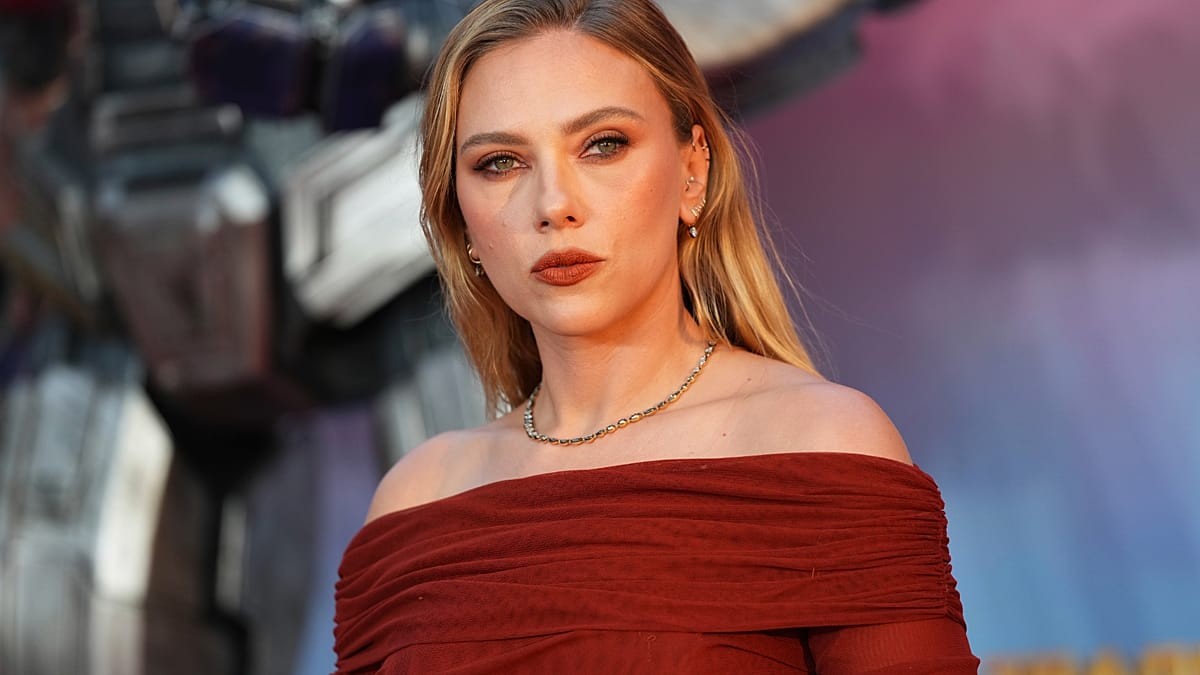
More than 800 artists, including Scarlett Johansson and Cate Blanchett, have publicly accused major tech companies of illegally using their copyrighted work to train artificial intelligence (AI) models. The collective action, organized by the Human Artistry Campaign’s “Stealing Isn’t Innovation” movement, demands ethical partnerships instead of unauthorized data scraping.
The Core of the Dispute
The letter slams AI developers for building platforms on stolen intellectual property. Companies are accused of exploiting the creativity of writers, musicians, actors, and other artists without consent or compensation. This practice has triggered roughly 60 ongoing lawsuits in the US alone, with similar legal battles unfolding in Europe.
The fundamental issue is how AI models are trained. These systems require massive datasets – including text, images, music, and video – to learn and generate new content. Much of this data is collected from the internet without explicit permission from copyright holders. AI firms claim this falls under “fair use”, while creators argue it’s blatant infringement that threatens their income and intellectual property.
The Stakes for Creators
The conflict is not merely about legal technicalities; it’s about the future of creative industries. The US creative sector is a significant economic driver, generating jobs, growth, and exports. Artists fear that unchecked AI training will devalue their work, making it harder to sustain careers.
The situation highlights a critical tension between innovation and copyright law. While AI offers powerful new tools, the method of obtaining training data is increasingly under scrutiny.
Recent Escalations
The dispute recently came to a head when OpenAI faced criticism after its AI voice feature closely resembled Scarlett Johansson’s voice from the 2013 film “Her”. Johansson’s legal team intervened, forcing OpenAI to suspend the similar voice option. This incident underscores the real-world impact of unauthorized AI training.
The letter serves as a stark warning: if tech companies don’t address copyright concerns, further legal challenges and public backlash are inevitable.
Ultimately, this situation forces a reckoning over the ethics and legality of AI development. The future of creative industries may depend on whether AI firms choose collaboration or continued exploitation.