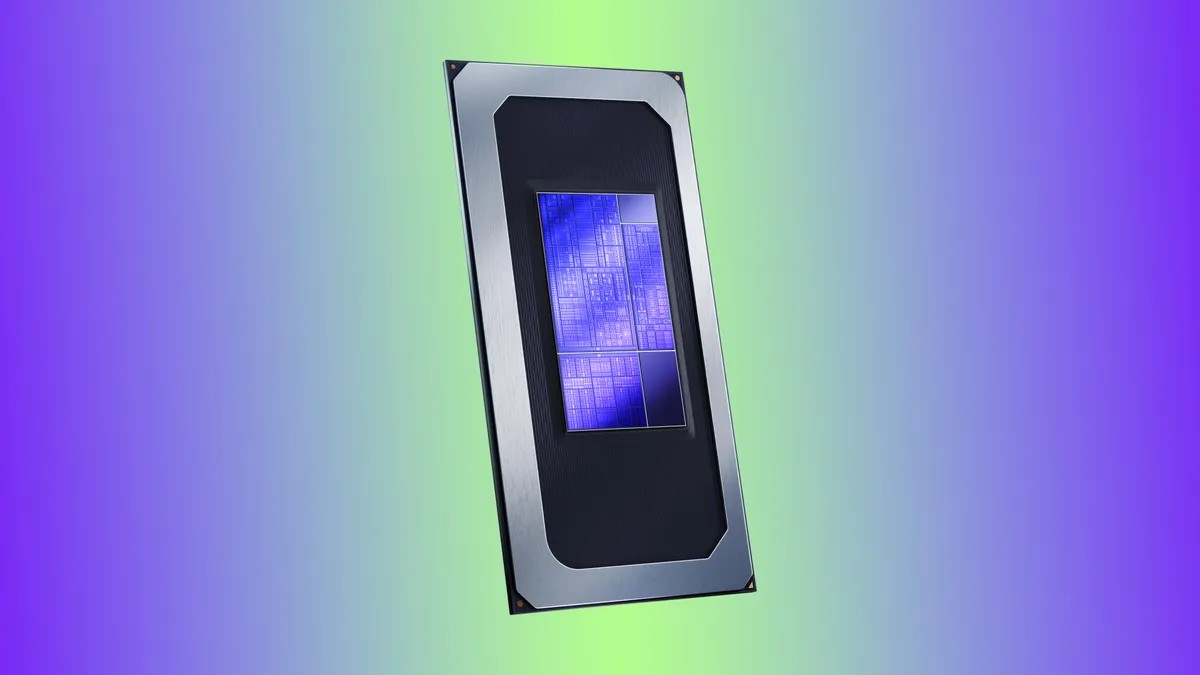
Intel is gearing up to launch its Panther Lake mobile processors, likely featured in high-end laptops debuting at CES 2025. These chips mark a significant shift towards faster graphics performance and improved battery life, leveraging Intel’s advanced 18A 2nm fabrication process.
Зміст
The Shift to 2nm and RibbonFET
The move to a smaller 2nm process node is key. Smaller processes generally mean more transistors in the same space, leading to higher performance and better power efficiency. Intel’s Panther Lake will be among the first consumer chips to use this technology, placing it ahead of competitors like Apple (3nm M4) and AMD (4nm Zen 5).
The 18A process also introduces RibbonFET, a new transistor architecture that sets the stage for future chip generations. This foundational change hints at sustained improvements in performance and density for years to come.
AI Performance: GPU Focus Over NPU Hype
Interestingly, Intel is prioritizing the GPU for AI acceleration rather than heavily relying on the Neural Processing Unit (NPU), despite the industry-wide hype around NPUs. While the NPU 5 in Panther Lake sees a modest increase from 48 to 50 TOPS, the real leap comes from the new Xe 3 graphics architecture.
The Xe 3 GPU boosts AI performance to up to 120 TOPS, significantly outperforming the previous Xe 2 generation (67 TOPS). This is because GPUs inherently deliver superior performance for AI calculations, even if they consume more power. Intel’s inclusion of FP8 support further optimizes AI tasks by reducing overhead while maintaining performance.
Graphics and Webcam Improvements
The Xe 3 architecture isn’t just about AI; it also delivers gaming gains. Intel claims noticeable speed improvements over the Lunar Lake generation for a given power draw, meaning longer and faster gaming sessions. This is achieved through an increase in optimized cores within the GPU – up to 6 per render slice compared to 4 on Xe 2.
Webcam quality is also getting a boost with “staggered” HDR acceleration and improved noise processing. This will result in better low-light performance for photos and videos, addressing a common pain point for laptop users.
Chip Configurations and Connectivity
Panther Lake will come in several configurations, including 8- and 16-core CPU variants with integrated GPUs ranging from 4 to 12 cores. All versions support faster memory speeds and the latest Wi-Fi 7 (R2) and Bluetooth Core 6 standards. This ensures seamless connectivity and high-speed data transfer.
The strategic focus on GPU-driven AI performance in Panther Lake suggests Intel is prioritizing real-world speed over marketing buzz, a move that could resonate with power users and gamers.
Intel’s Panther Lake processors represent a substantial upgrade in mobile computing, balancing power, efficiency, and AI capabilities. The combination of the 18A process, enhanced graphics, and improved webcam technology positions these chips as a leading contender in the next generation of premium laptops.