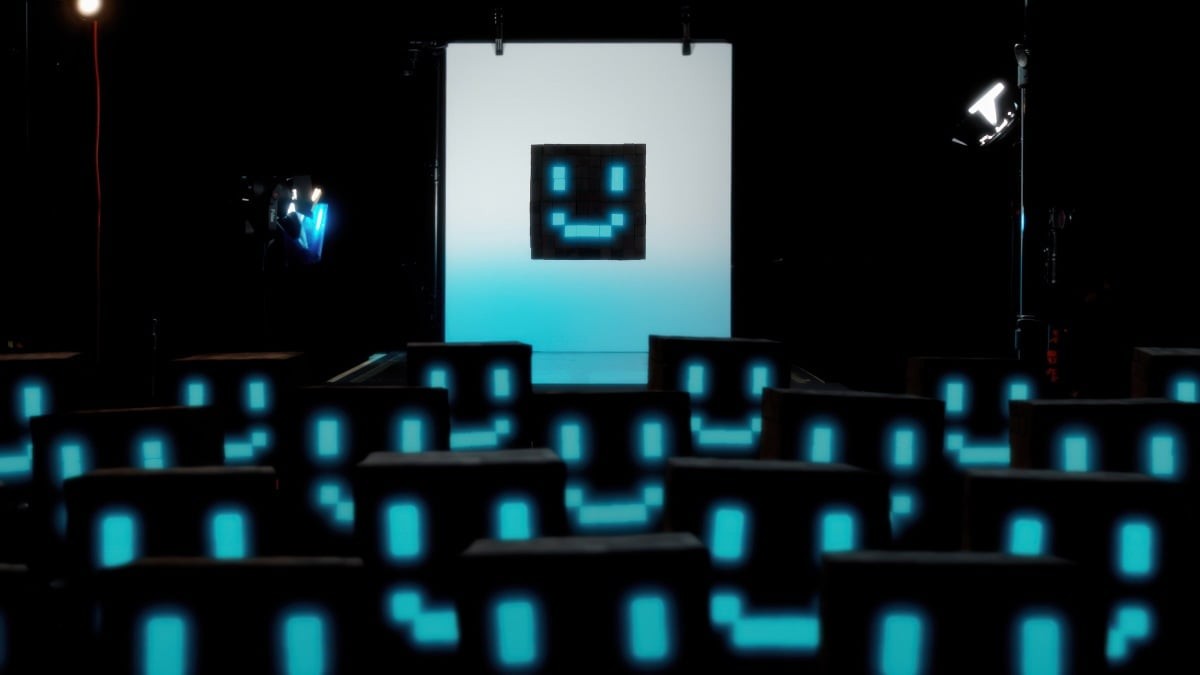
The rise of Artificial Intelligence has created a profound psychological rift in society. On one side, tech visionaries speak of a utopian future where AI solves every human problem; on the other, artists and skeptics warn of a digital apocalypse that threatens livelihoods, copyright, and even human agency.
This tension is the heartbeat of the new Focus Features documentary, The AI Doc: Or How I Became an Apocaloptimist . Directed by Daniel Roher (Navalny ) and Charlie Tyrell, the film explores a daunting reality: while nearly half of young people use AI weekly, only 15% view it as a net positive for society.
Зміст
The Trap of Cynicism
For many, the default reaction to the rapid advancement of AI is cynicism—a sense of fatalism that the technology is already too powerful to control. However, director Daniel Roher argues that this mindset is a luxury we cannot afford.
“[Cynicism] is, frankly, easy. It’s the low-hanging, knee-jerk reaction. You’ll realize that it’s actually the only wrong answer to this.”
Roher’s perspective has shifted through the lens of fatherhood. He suggests that being nihilistic in the face of such transformative change is irresponsible. Instead, he advocates for “apocaloptimism” : acknowledging the terrifying risks while actively working toward a future where humanity maintains agency.
The Battle for Control: Tech Giants vs. The Public Interest
The documentary provides a rare look behind the curtain, featuring interviews with the “final bosses” of the industry: Sam Altman (OpenAI), Demis Hassabis (Google DeepMind), and Dario Amodei (Anthropic).
The interviews reveal a stark contrast between corporate rhetoric and the reality of the AI arms race. Roher notes several troubling trends:
- The “Machiavellian” Nature of Leadership: Roher describes his encounter with Sam Altman as meeting someone highly media-trained but lacking genuine transparency, noting that the pursuit of AGI (Artificial General Intelligence) often overrides the establishment of safety guardrails.
- Broken Promises and Red Lines: While some companies like Anthropic have attempted to draw “red lines” regarding military use, the industry remains volatile. Roher points to the tension between companies claiming to prioritize safety and those making strategic deals with the Pentagon.
- The AGI Definition Gap: There is no consensus on what “Artificial General Intelligence” actually is. While some define it as a system superior to humans across all tasks, others argue we have already reached a functional version of AGI that can perform most “laptop jobs” or creative tasks.
The Artist’s Dilemma: Empowerment vs. Replacement
For the creative community, the AI revolution is not an abstract philosophical debate—it is an existential threat. The conversation around AI in Hollywood and the gaming industry is often polarized between those who see it as a tool for empowerment and those who see it as a mechanism for theft.
Roher acknowledges the validity of the “boycott” movement, noting that the fear of being replaced is entirely rational. However, he suggests that total avoidance may lead to alienation from the very conversations that will shape the technology’s future.
His approach to coexistence is defined by two questions:
1. Is this tool empowering my unique lived experience?
2. Or is it simply replacing my human touch?
A Call to Collective Action
The central challenge of the AI era is a mismatch of scale: we are attempting to regulate 21st-century technology using legislative processes forged in the 18th century. While the legal battles over copyright and “fair use” continue in the courts, Roher argues that the fight is far from over.
He rejects the idea that the battle is lost, urging individuals to find their sphere of influence. Whether through political pressure, supporting journalists who fight for intellectual property, or simply educating oneself on the software’s capabilities, the goal is to move from passive observers to active participants.
Conclusion
The rapid evolution of AI demands more than just fear or blind acceptance; it requires a disciplined, collective effort to steer the technology toward human empowerment rather than human obsolescence.