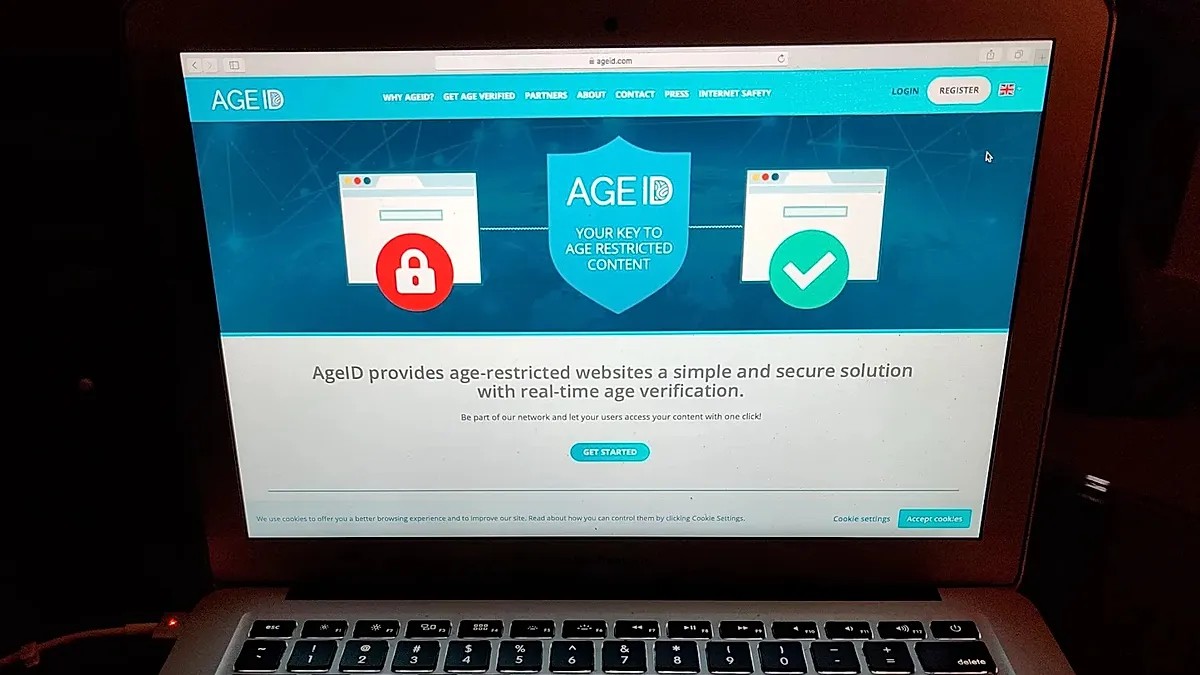
European nations are escalating efforts to protect minors online, with stricter age verification measures now being enforced for adult websites. Italy is the latest country to mandate these checks, requiring pornographic platforms to verify user age through third-party services—including government ID submissions—regardless of where the site is based. This move is part of a broader trend across the EU, raising questions about data privacy, effectiveness, and the future of online access.
Зміст
The Growing European Push for Age Verification
For years, concerns over child safety online have prompted legislative action across Europe. The current wave of enforcement marks a significant escalation, moving beyond simple declarations of age to mandatory verification processes.
Why This Matters: The shift reflects a growing societal and political pressure to combat child exploitation and harmful content exposure. However, it also raises serious concerns about data security, the potential for abuse, and the practical challenges of implementing effective age verification at scale.
Country-Specific Measures
France: In 2024, France passed a law empowering its regulator, Arcom, to impose hefty fines (up to €150,000 or 2% of global turnover, increasing for repeat offenses) and even block non-compliant pornographic sites. Aylo, parent company of Pornhub and Redtube, briefly blocked French users in response, before restoring access.
However, independent analysis by AI Forensics revealed that some third-party age verification services operating in France either shared user data with third parties or were easily bypassed with minor code adjustments.
Spain: Introduced a 2022 law requiring platforms to verify age before allowing access to harmful content, including pornography. Spain has also been developing digital identification tools, such as the MiDNI app, for real-time age verification. The Cartera Digital Beta wallet project, designed to generate monthly verification keys, is currently awaiting data protection approval.
Germany: Requires robust digital age verification, going beyond simple self-declaration. Platforms must implement safeguards, including parent-controlled filters, and appoint independent youth protection officers. Violators face fines up to €500,000. In 2023, German authorities banned Aylo for violating age verification laws, citing the company’s prioritization of profits over child protection.
Italy: The latest nation to enforce strict age verification, mandating that pornographic platforms verify user age through third-party services, including government ID submissions, regardless of where the site is based.
EU-Wide Pilot Project: A Unified Approach?
The European Union is testing a unified age verification mechanism designed to be robust, user-friendly, and privacy-preserving. This system will eventually integrate with digital identity wallets, mandated for all member states by 2026. Standalone verification apps, already in place in Denmark, France, Spain, Italy, and Greece, may also be integrated.
The Question Remains: Can a centralized, EU-wide system balance effective age verification with user privacy and data security?
The Challenges Ahead
The implementation of these measures is not without its hurdles. The effectiveness of third-party verification services has been questioned, with some found to be unreliable or data-sharing. The potential for false positives and the impact on legitimate adult content consumers also remain concerns.
Moving Forward: European regulators must strike a delicate balance between protecting minors and respecting user rights. Transparency, robust data security measures, and continuous monitoring will be crucial to ensure these policies achieve their intended goals without unintended consequences