The Samsung Galaxy Z TriFold, unveiled at CES 2026, represents a significant leap forward in foldable phone technology. After years of reviewing flagship devices, it’s rare to feel genuinely excited about a new release, but this phone breaks the mold. While early foldables felt like half-measures, the Z TriFold delivers a full-sized tablet experience in a pocketable form factor.
Зміст
The New Standard for Screen Size
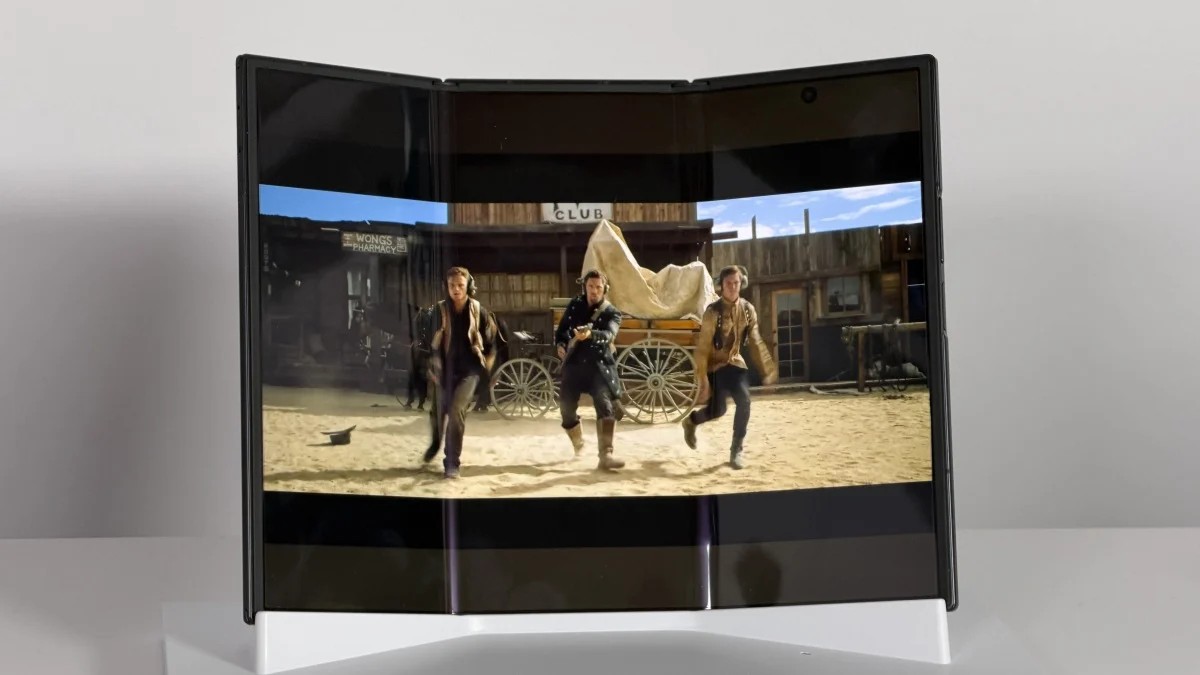
Traditional book-style foldables have improved steadily, but the Z TriFold finally achieves the long-promised full tablet experience. When unfolded, it boasts a 10-inch display with a 4:3 aspect ratio, making it large enough to comfortably use with a keyboard like the Protoarc XK01. This isn’t just about bigger screens; it’s about turning your smartphone into a portable workstation capable of running Samsung DeX in a full windowed interface.
The Z TriFold is, in effect, a small laptop you can carry in your pocket.
Size and Design Trade-offs
At 12.9mm thick when closed, the Z TriFold is undeniably bulky compared to slimmer models like the Z Fold 7 (8.9mm). However, it’s still thinner than the Z Fold 5 (13.4mm), proving that users can adapt to the form factor. The 6.5-inch cover screen is wide enough for comfortable typing, a notable improvement over older Samsung foldables.
The device retains the same camera setup as the Z Fold 7, including a high-resolution 200-megapixel main lens, ensuring no compromise on image quality. It’s powered by the Snapdragon 8 Elite for Galaxy processor and comes with up to 16GB of RAM and 1TB of storage. Expect a price tag north of $2,000, likely closer to $2,500. Innovation commands a premium.
Functionality: Workstation or Phone?
Samsung has simplified the Z TriFold’s operation to two modes: open and closed. Unlike some competitors (Huawei Mate XT), there’s no dynamic adjustment for partial unfolds. The device enforces its design, buzzing to warn against improper closing attempts. While some may prefer greater flexibility, this approach prioritizes protecting the delicate inner screen.
The Z TriFold excels as a workstation when unfolded, reaching an astonishing 3.9mm thickness. This thinness, combined with the expansive screen, creates a unique and compelling experience. Samsung DeX is fully integrated, allowing for up to four customizable desktop layouts, enabling seamless switching between productivity and gaming modes.
Remaining Quirks
Despite the advancements, some issues remain. The transition between the cover screen and the unfolded display is not yet seamless, and certain apps (like Samsung’s news app) struggle with aspect ratio adjustments. These quirks suggest that software optimization is still underway.
The Z TriFold isn’t perfect: the lack of a built-in stand or included charger (at least in some overseas models) is frustrating. However, these are minor complaints compared to the device’s overall potential.
The Verdict
The Samsung Galaxy Z TriFold is more than just a phone; it’s a glimpse into the future of mobile computing. It’s a device that transforms from a pocketable smartphone to a functional workstation with minimal fuss. While not without its quirks, the Z TriFold has redefined what’s possible in the foldable space. If you’re looking for a device that blurs the lines between phone and laptop, this could be it.