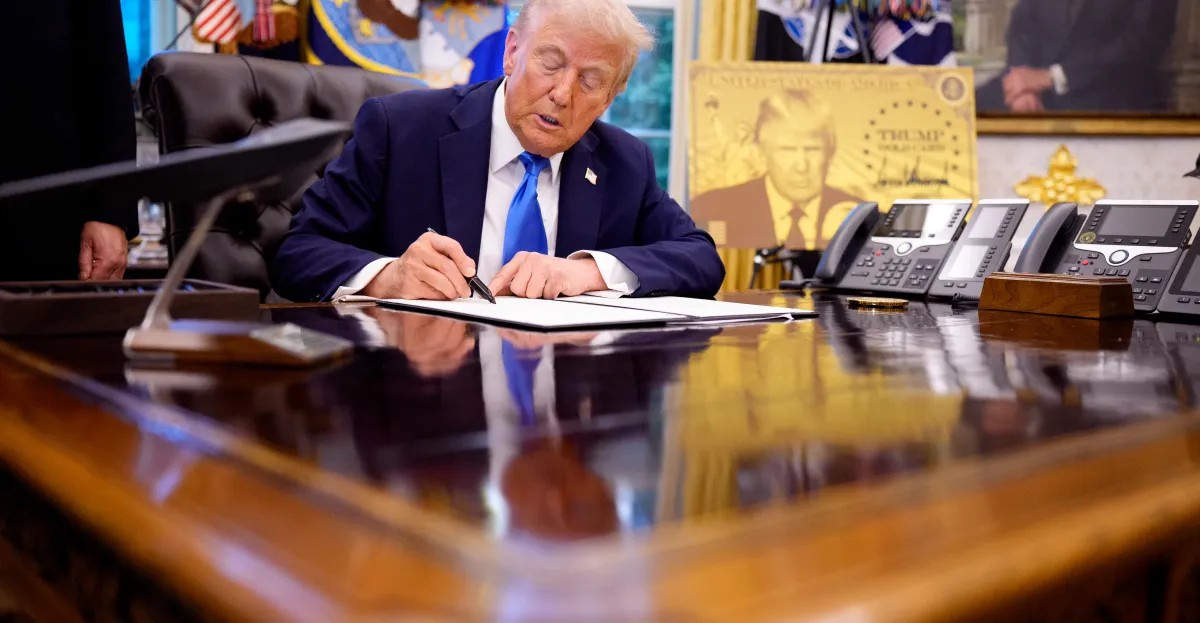
The US high-skill worker visa program, particularly the H-1B visa, is in crisis. Despite rhetoric from both sides, the reality is that the system is deeply flawed, and proposed “fixes” – such as a proposed $100,000 visa fee – risk crippling American innovation rather than protecting domestic jobs.
The debate is not simply about immigration; it’s about economic competitiveness. President Trump’s comments, initially defending the program as a necessary source of “talent,” highlight a fundamental tension within his administration. While his base demands an “America First” approach, the American economy increasingly relies on foreign-born specialists in fields like medicine, software engineering, and advanced research.
The Visa System’s Failures
The current H-1B system is ripe for abuse. Companies exploit loopholes by using body shops to hire cheap labor, and workers can get trapped in low-paying jobs for years due to bureaucratic delays. The lottery-like selection process makes it difficult for even highly qualified applicants to secure visas.
Tech entrepreneur Vivek Wadhwa, himself an immigrant, explains that the problems run deeper than just the fee structure. The system is so convoluted that companies are actively choosing to build their innovations elsewhere. Wadhwa decided to move his medical diagnostics company to India after realizing he couldn’t reliably hire the engineers and scientists he needed due to the H-1B bottleneck.
“I looked for talent… I simply can’t find. So I started looking on LinkedIn for experts across the globe… There were quite a few of them in India. So I was looking to hire them… [but] the chances of being able to, it’s literally a lottery.”
The Economic Consequences
The proposed $100,000 fee would effectively shut down the system for startups and small businesses. While large corporations like Google or Microsoft can absorb the cost, emerging companies on tight budgets would be unable to compete. This means fewer jobs, less innovation, and ultimately a loss of economic growth.
Wadhwa points out that the US is already falling behind. Other countries, particularly India, are investing heavily in STEM education and actively recruiting skilled workers. If America doesn’t address its visa system, it risks ceding its technological leadership.
A Path Forward
The solution isn’t to restrict visas; it’s to streamline the process and address systemic issues. Wadhwa proposes freeing the estimated 1 million legal immigrants stuck in limbo, allowing them to become permanent residents and contribute fully to the economy. Eliminating arbitrary fees and reducing bureaucratic hurdles would also encourage innovation.
Ultimately, America needs to recognize that its future success depends on attracting and retaining global talent. The current visa system is not just broken; it’s actively harming the country’s economic prospects.