Old media held the throne for decades. It was the gatekeeper. The filter. You read the newspaper, watched the evening news, trusted the editor. Then came the internet. Then came the smartphones. Suddenly, the gatekeepers were fired. Or at least, they stopped mattering as much. Social media platforms crashed into our daily lives and stayed. Fast.
It wasn’t a slow transition. It was a takeover.
People started sharing everything. Thoughts. Photos. Links. Arguments. The speed of communication skyrocketed. The barrier to entry dropped to zero. This isn’t just about convenience. It’s a fundamental shift in who gets to speak and who gets heard.
Зміст
What Exactly Is Traditional Media?
To understand why social media feels so different, you have to look at what it replaced.
Traditional media refers to the established channels of communication that existed before the digital age. Think physical newspapers, radio broadcasts, television channels, and magazines.
The key characteristic? One-way communication.
You sat back. You listened. You read. You didn’t reply to the news anchor. You couldn’t tweet at the radio DJ. The flow of information was strictly from the publisher to the consumer.
There were editors. There were producers. There were deadlines. If you missed the 6 PM news, you waited for the paper the next day. Accuracy mattered because mistakes were hard to fix. Once printed, it was printed.
This structure created authority. It also created distance.
“Traditional media is a monologue. Social media is a conversation.”
That distance is disappearing. Which is why the rules of engagement have changed completely.

Social media vs traditional media: how the power shift changed everything
The one-way street is dead.
Traditional media—TV, radio, newspapers, magazines, cinema—ran on a simple logic. Publishers made the content. They shoved it at you. You watched, listened, or read. That was the deal. The money came from ads, sure, but the flow of information was rigid. One-way communication defined the era.
You couldn’t change the news. You couldn’t edit the headline. You just consumed it.
This model gave broadcasters massive reach. But it came with baggage. Trust issues. Newspapers and TV channels got hit hard for biased reporting, missing facts, or spinning stories to fit political agendas. The audience sat there. Quiet. Taking whatever was served.
Fast forward a bit. Tech moves fast. Social media rises. The dynamic flips.
Traditional media still reaches huge crowds. It’s still important. But the way we use it? That’s shifting. The rigid walls are cracking. People want more than just a broadcast. They want a say.
“The consumer is no longer just a consumer. They are a participant.”
This shift isn’t just about new screens. It’s about power. Who controls the narrative? In the old days, the publisher did. Now? That’s complicated. Social media forces a change in how traditional media operates, survives, and connects with us. The passive viewer is gone. Or at least, they’re waking up.
Why social media isn’t just traditional media on steroids
The line between producer and consumer? Blurry. Gone. In the old days, you read the newspaper. You watched the broadcast. You were a passive receiver. Social media flips that script entirely. You aren’t just watching. You’re posting. Commenting. Sharing. You are both the source and the audience.
This two-way street changes everything. It’s not a monologue anymore. It’s a chaotic, real-time conversation.
The shift from one-way broadcasting to two-way interaction is the core engine of modern digital platforms.
Traditional media was expensive. Slow. Rigid. You needed a printing press or a TV station. Social media? You need a smartphone and an internet connection. The barrier to entry collapsed. A single user can push content to thousands in seconds. No gatekeepers. No editors checking facts before you hit “post.” Just raw, instant distribution.
This speed comes at a cost, obviously. But the efficiency is undeniable. Content creation and dissemination became cheaper and faster than ever before. Where traditional media relied on hierarchy, social media relies on networks. One share triggers another. Another triggers a third. The ripple effect spreads further and faster than any editorial team could plan.
So why does this matter to you? Because you’re now part of the media ecosystem. Every time you upload a photo or reply to a thread, you’re exercising that power. It’s low friction. High reach. And it’s completely different from the static, one-directional flow of yesterday’s mass media.
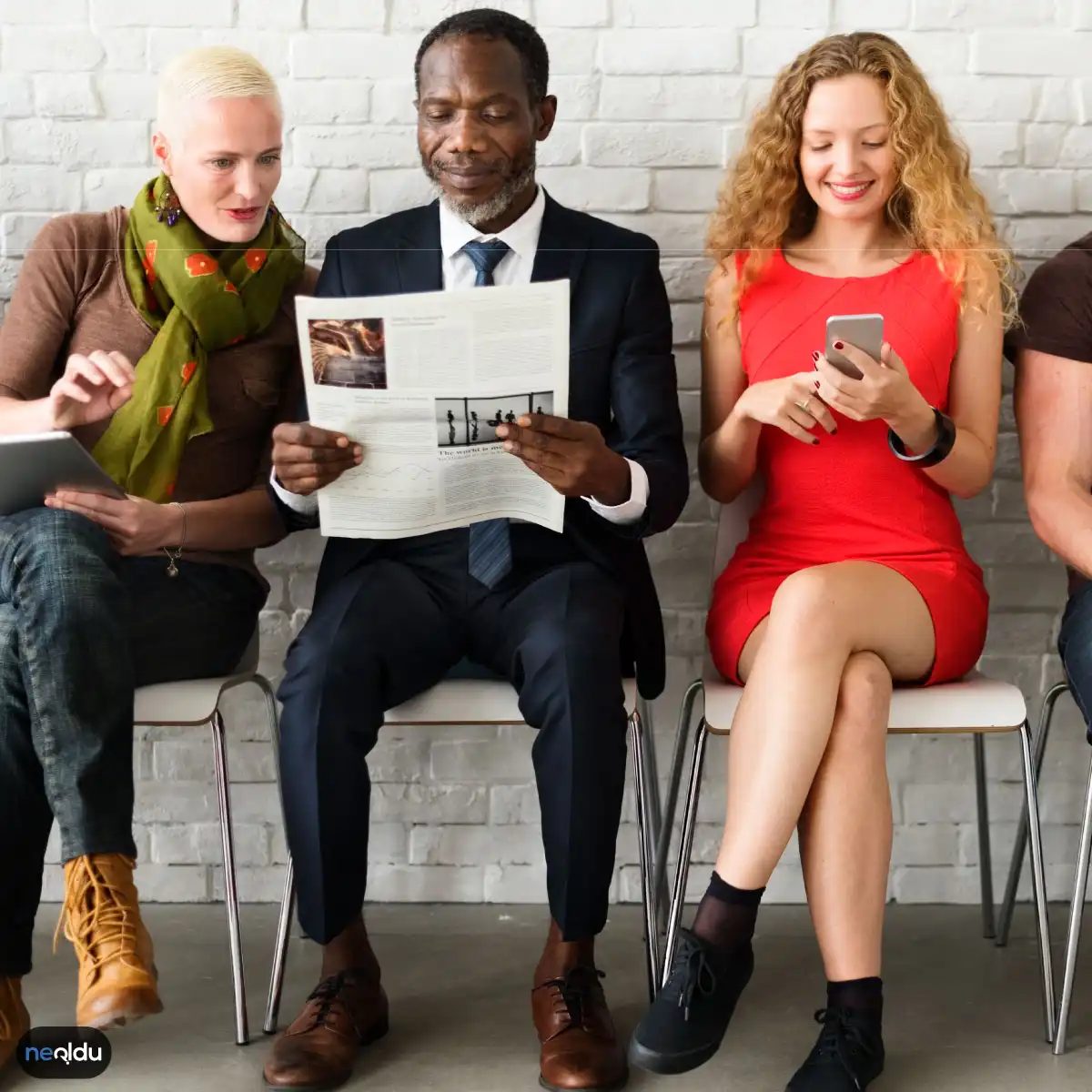
Two-Way Streets vs. One-Way Highways
Traditional media moves in one direction. It pushes content at you. You sit there. You watch. You read. You don’t talk back. Not really. Maybe a letter to the editor if you’re old school.
Social media flips that script. It’s a conversation. You post something. Someone replies. You argue. You laugh. You share. That interaction is the product. Without it, the platform is just a digital bulletin board.
This shift from passive consumption to active participation changes how we think about authority. The gatekeepers are gone. Or at least, they’re less powerful.
You Are the Publisher Now
Back in the day, you needed a press pass. Or a printing press. Or a TV station license. High barriers. High costs. Only the pros got airtime.
Now? You have a smartphone. That’s your studio.
User-generated content drives the whole engine. You create. You distribute. You connect. The tools are cheap. They’re easy. Anyone can upload a video. Anyone can write a blog post. The barrier to entry is basically zero.
This democratization is messy. It’s loud. It’s chaotic. But it’s also real. No filter. No editor deciding what you’re allowed to say.
Speed kills accuracy sometimes. But it also kills silence.
The Velocity of Information
Social media moves fast. Too fast sometimes.
A single post can reach millions in hours. Traditional media takes days. Weeks. Months. It goes through layers of approval. Editing. Legal checks. By the time it’s ready, the news might be old.
On social platforms, the content hits the feed the second you hit publish. No middleman. No delay. This speed allows for real-time updates during crises. It also allows for real-time misinformation.
The trade-off is clear. You get speed. You sacrifice some verification.
Global Reach in Your Pocket
Traditional media is local. Or national. A newspaper in Berlin doesn’t reach Tokyo. A TV station in New York doesn’t broadcast to Mumbai. Geography limits your audience.
Social media ignores borders. A video from a small village can go viral in New York. A tweet from London can trend in Seoul.
The potential audience is billions. Not thousands. Billions.
This global reach means brands, creators, and activists can find their niche anywhere on the planet. You don’t need a physical presence. You just need connectivity.
Instant Feedback Loops
How do you know if your message landed? In traditional media, you guess. You look at circulation numbers. You hope.
On social media, you see it instantly. Likes. Comments. Shares. Retweets.
This feedback is immediate. It’s raw. It tells you what works. What doesn’t. What people hate. What they love.
Creators use this data to pivot. To adjust. To improve. If a post flops, you try something else. The cycle is short. The learning is fast.
Traditional media can’t do that. They’re stuck with what they printed last week. Social media lets you edit in real-time.
Taking Back the Wheel: How User Control Changes the Game
It’s no longer a broadcast. It’s a conversation, but you hold the mic. Social media flips the script on traditional control. Users decide what stays in their feed. They curate their reality. By managing who they follow and what they post, they build a digital space that actually reflects their interests. It’s less about being sold to and more about finding your tribe. This autonomy makes it easier to grow a following that actually cares, not just a random mass of eyeballs.
The Velocity of Virality
Speed matters. In traditional media, a campaign might take weeks to print or schedule. On social? It’s instant. Content spreads fast. A single share ripples through networks, reaching people who haven’t even met yet. This velocity is a double-edged sword. For marketers, it’s a powerful lever. You can reach a massive audience in hours, not months. But you have to be ready for the momentum.
Real Interaction, Not Just Reach
Likes are nice. Comments are better. Social media forces brands to talk back. Users expect replies. They want DMs answered. This level of interaction builds trust in a way a billboard never could. It turns customers into community members. When a brand listens, people notice. It’s the difference between shouting from a tower and chatting at a bar.
Feedback Loops That Actually Work
Silence is golden in traditional ads. On social, silence is deadly. You get immediate feedback. Positive or negative. Users tell you what they think, right there in the comments. This data is gold. It lets you tweak your content on the fly. If something isn’t landing, you fix it. No waiting for quarterly reports. You adapt to what your audience actually wants, not what you think they should want.
The Cost of Entry
Traditional media is expensive. TV spots. Print ads. The barriers to entry are high. Social media? It’s free to start. You don’t need a massive budget to get noticed. You need good content. This levels the playing field. Small brands can compete with giants if they’re clever. It’s not just cheaper; it’s more accessible.
The Downside: Why Social Isn’t a Magic Bullet
It’s not all upside. There are real drawbacks to relying on social media over traditional channels.
Lack of Control Over Message
Once you post it, you don’t own it. Users share, remix, and comment. You can’t stop a negative takeoff. The algorithm decides who sees it, not you. That loss of control is terrifying for brands used to strict editorial oversight.
The Noise Problem
Everyone is shouting. Standing out is harder than ever. The sheer volume of content means your message can get lost in seconds. Attention spans are short. If you don’t grab them instantly, they scroll. It’s a race against the thumb.
Algorithm Dependency
You’re renting your audience. Platforms change their algorithms constantly. One day your reach is huge. The next, it’s gone. You have to play by their rules, and those rules change without warning. It’s an unstable foundation for long-term strategy.
Data Privacy Concerns
Users are getting smarter. They’re wary of how their data is used. Regulations are tightening. Missteps here can cost more than just money. They cost trust. And

The hidden cost of the infinite scroll: Privacy, time, and trust
It’s easy to forget that the platform is feeding you. Social media is built on user-generated content, which means anyone can post anything. That openness is its biggest strength and its fatal flaw. Misinformation spreads faster than facts. Not because lies are cleverer, but because they trigger emotion. People get led astray, sometimes into real-world danger. It’s not just a wrong opinion; it’s a wrong direction.
Then there’s the data. You give it away. To use the service, you have to share personal details. The trade-off isn’t always clear until the breach happens. Privacy violations aren’t rare glitches; they are structural risks. Malicious actors scrape that info. Identity theft follows. Fraud follows that. Your profile becomes a target, not a portfolio.
Time is the resource you can’t earn back.
We talk about “checking” social media. We don’t talk about the hours that vanish. Scrolling, liking, commenting—it’s a loop designed to keep you engaged. Effective time management dies in the feed. You intend to look for five minutes. You stay for an hour. The platform wins. You lose the afternoon.
This leads to the dependency. It’s not just habit; it’s engineered retention. The content never ends. There is always one more post, one more update, one more notification. The brain craves the next hit of dopamine. Users stay attached, not because they want to, but because the architecture makes it hard to leave.
And who is on the other side? Often, nobody. Fake accounts thrive here. They dilute trust. They spread scams. They make it impossible to know if the person behind the screen is real. When you can’t trust the source, you can’t trust the message. The whole ecosystem becomes suspicious.
Social media beats traditional media on speed and reach. It connects instantly. It democratizes voice. But those advantages come with a steep price tag. The disadvantages aren’t bugs; they are features of an unregulated, high-speed environment.
Using it “correctly” is the standard advice. It’s vague. It’s weak. Minimizing the damage requires more than good intentions. It requires active defense. You have to curate your feed. You have to protect your data. You have to log off. The tool isn’t bad. The usage often is.