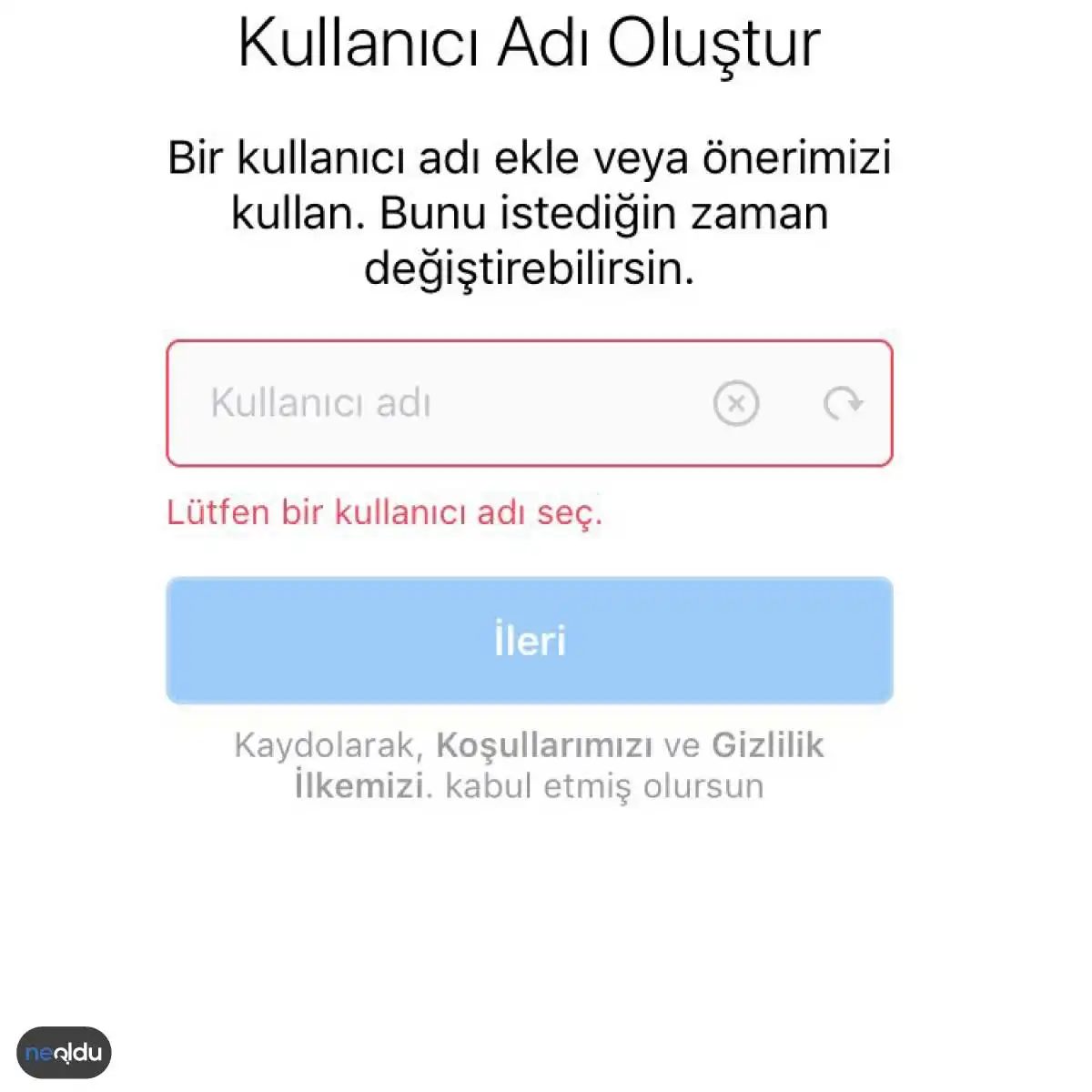
Most people assume Instagram is a mobile-only experience. It isn’t. For years, you were stuck with your phone. Now, the platform is just as accessible from a desktop browser. Whether you are starting fresh or returning after a long break, the process remains straightforward. You can share photos. You can explore new content. You can follow creators.
The barrier to entry is low. The interface is familiar. If you have ever used a social network, you already know the drill.
Зміст
Why Register on a Computer?
There is a specific reason why many users still hesitate to log in from a laptop. For a long time, Instagram required a mobile device. That changed in 2015. Since then, registering via a web browser has been fully supported.
This shift matters for productivity. Editing photos is easier with a mouse. Managing multiple accounts is simpler on a larger screen. The desktop experience offers a different workflow. It is less about passive scrolling. It is more about active creation.
Step-by-Step: Creating an Account on Desktop
You do not need a specific app to get started. You just need a browser. Here is how to navigate the signup process without downloading anything yet.
- Navigate directly to the registration page. You can search for “Instagram sign up” or use a direct link to the secure login portal.
- The interface will load. It looks clean. It asks for your email or phone number.
- Fill in the required details. This includes your name, username, and password.
- Verify your account. Instagram will send a code to your email or phone. Enter it to activate the profile.
“Instagram’s desktop registration is identical to the mobile flow. The only difference is the screen size.”
Mobile vs. Desktop: Which Should You Choose?
You might wonder which route offers better functionality. The truth is simple. The account is the same. The data syncs instantly.
Mobile advantages:
– Instant camera access.
– Location tagging.
– Push notifications for followers.
Desktop advantages:
– Better photo editing tools.
– Easier typing for captions.
– Multi-tasking capabilities.
Choose based on your needs. If you want to post a quick story, use your phone. If you are drafting a detailed caption, use your computer. The platform handles both equally well.
Getting Started
Once your account is active, the options expand. You can follow friends. You can discover new creators. The explore page becomes a hub for new content.
The magic of Instagram lies in its simplicity. You do not need to be a photographer to participate. You just need to show up. Start by following a few accounts. Like some posts. See how the feed adjusts to your interests.
The world of visual storytelling is waiting. You have the tools. Now you just need to take the first step.

Signing up for Instagram on a mobile device
The easiest way to get an account running is directly from your phone. We are using an iOS device for this walkthrough but the process is identical if you are on Android. You do not need a desktop browser.
Here is exactly how to get it done.
- Download the app. Go to the App Store or Play Store and grab the official Instagram application. It is free.
- Launch the app. Tap the icon on your home screen.
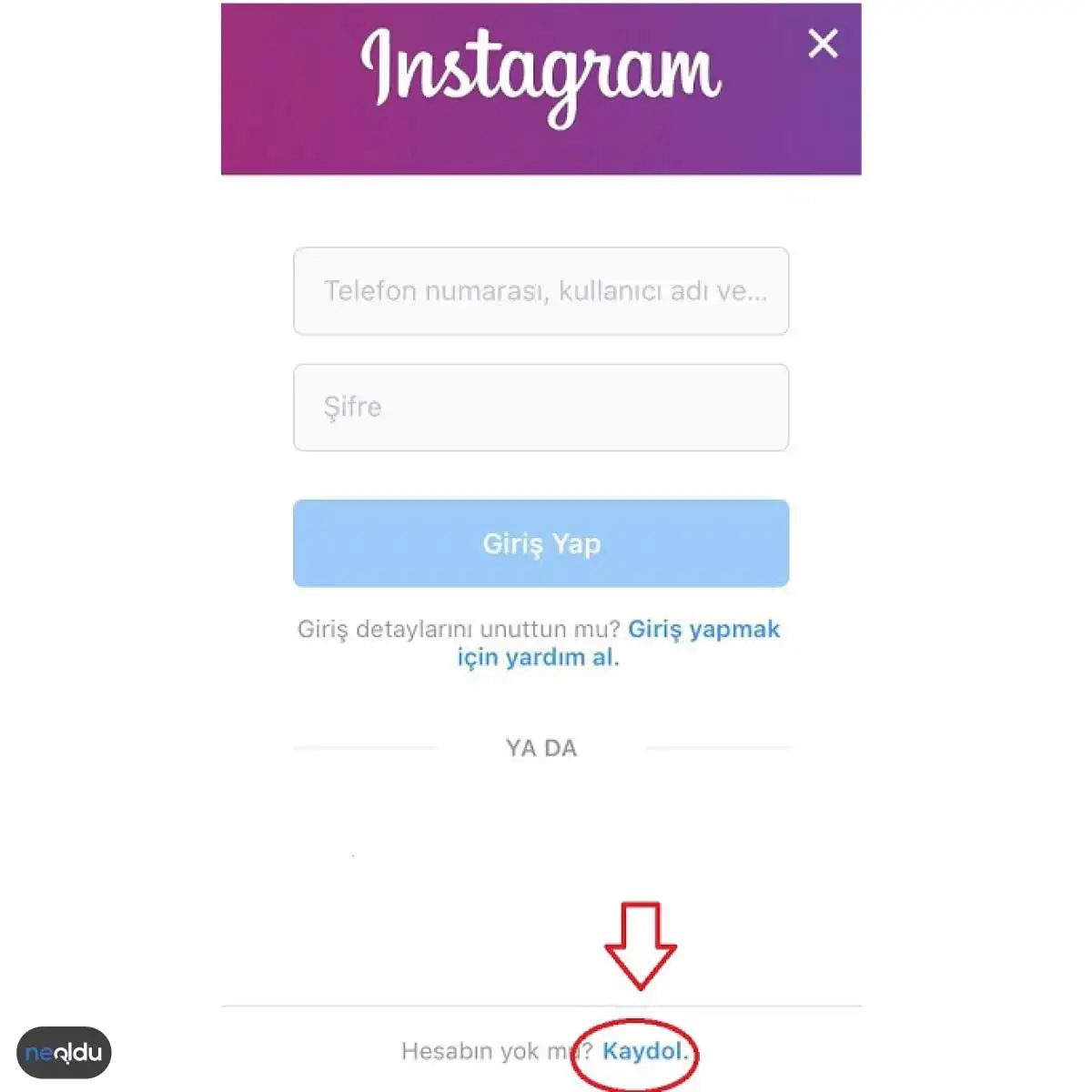
- Find the sign-up gate. The app opens to a login screen. You will see fields for a username and password. Since you do not have an account yet, ignore those.
- Click “Sign up”. Look at the bottom of that screen. There is a link that says “Sign up” (or “Kaydol” if your interface is in Turkish). Tap it.
- Fill in the details. The app will ask for specific information. You need to provide:
- First name
- Last name
- Email address (or you can link an existing Facebook account for faster entry)
- Desired username
- A strong password
Once you hit confirm, the account is created.
Alternative shortcut
There is a faster path if you already have a Facebook account. During step four, instead of entering an email, choose the “Log in with Facebook” option. The app pulls your data automatically. This skips the manual entry of names and passwords. It is less secure if your Facebook is compromised, but it is undeniably quicker for the impatient user.
Choosing Your Login Method
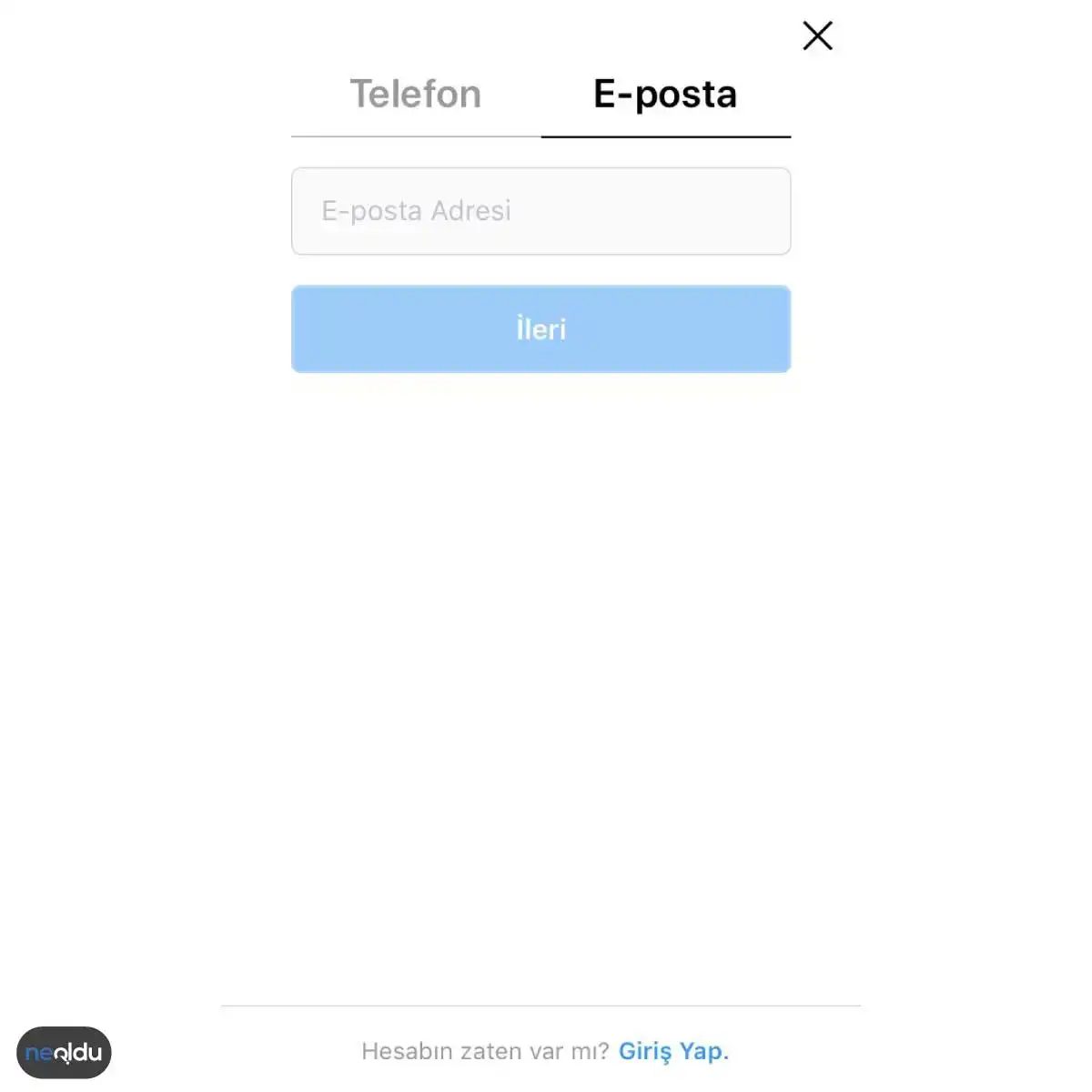
You are staring at a registration form that demands one thing: an email address. The requirements are loose. Hotmail. Gmail. Yandex. Any provider that delivers mail will do. You are not locked into a specific ecosystem here.
Once you select “Register with email or phone number,” the interface splits.
E-Posta
Telefon
Two tabs. One decision.
If you lean toward email, you click that left tab. You type in the address you just verified. Simple.
But the phone option is there too. You do not need to play with formatting codes. You enter your current number. No leading zero. No country code gymnastics unless the form explicitly forces them. Just the digits.
Which path do you take? Email feels permanent. Phone feels immediate. Both lead to the same destination.
Step 4: Create a strong password
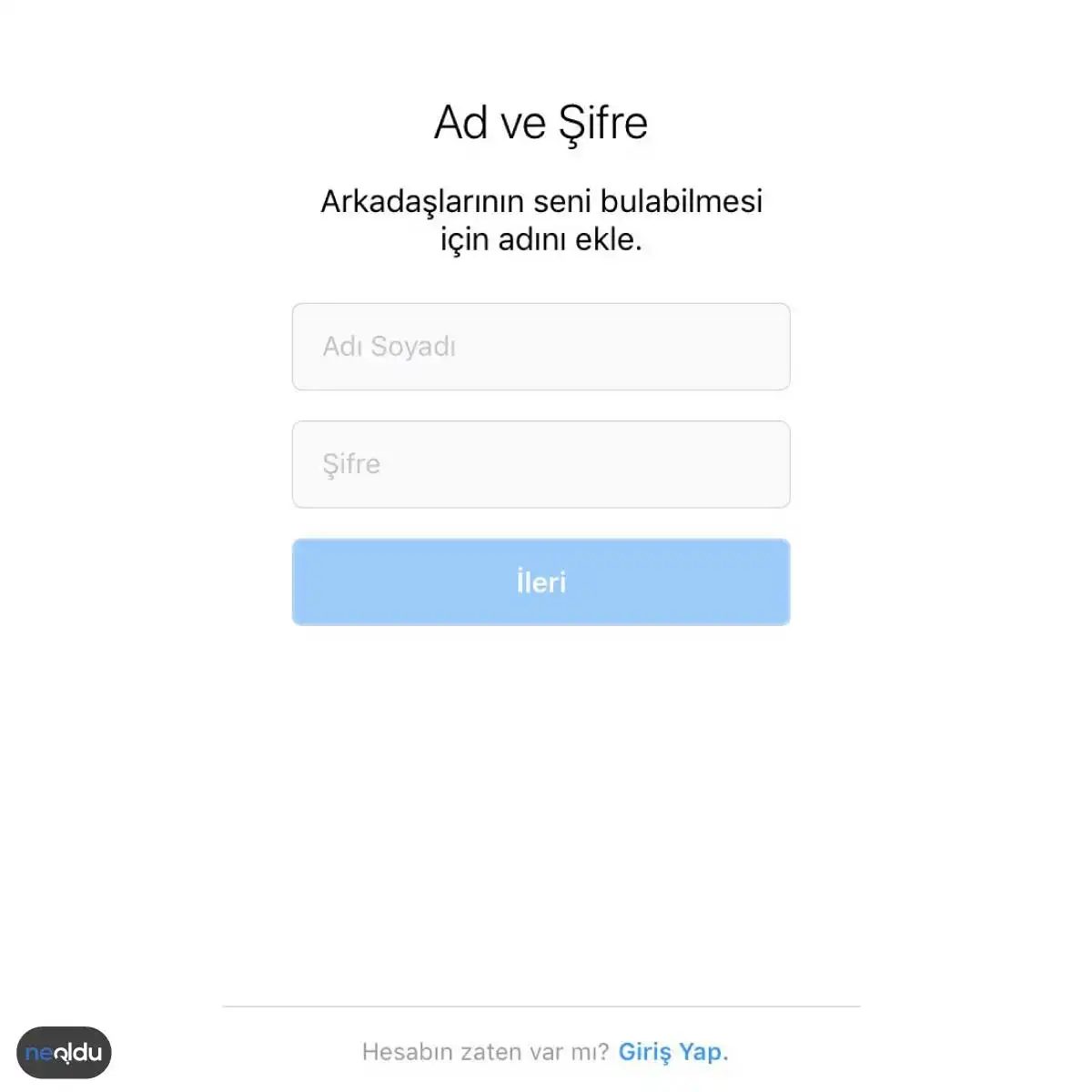
Now you’ll see a prompt asking for your full name (First and Last Name). But the real focus here is the password field.
You must create a strong password.
It’s not just a formality. This is your first line of defense.
- Minimum 8 characters
- At least one uppercase letter
- At least one lowercase letter
- At least one special character (like
!,#, or$)
Don’t skip this. Your password matters.
“Your password is important.”
It’s the key to your account. Make it count.
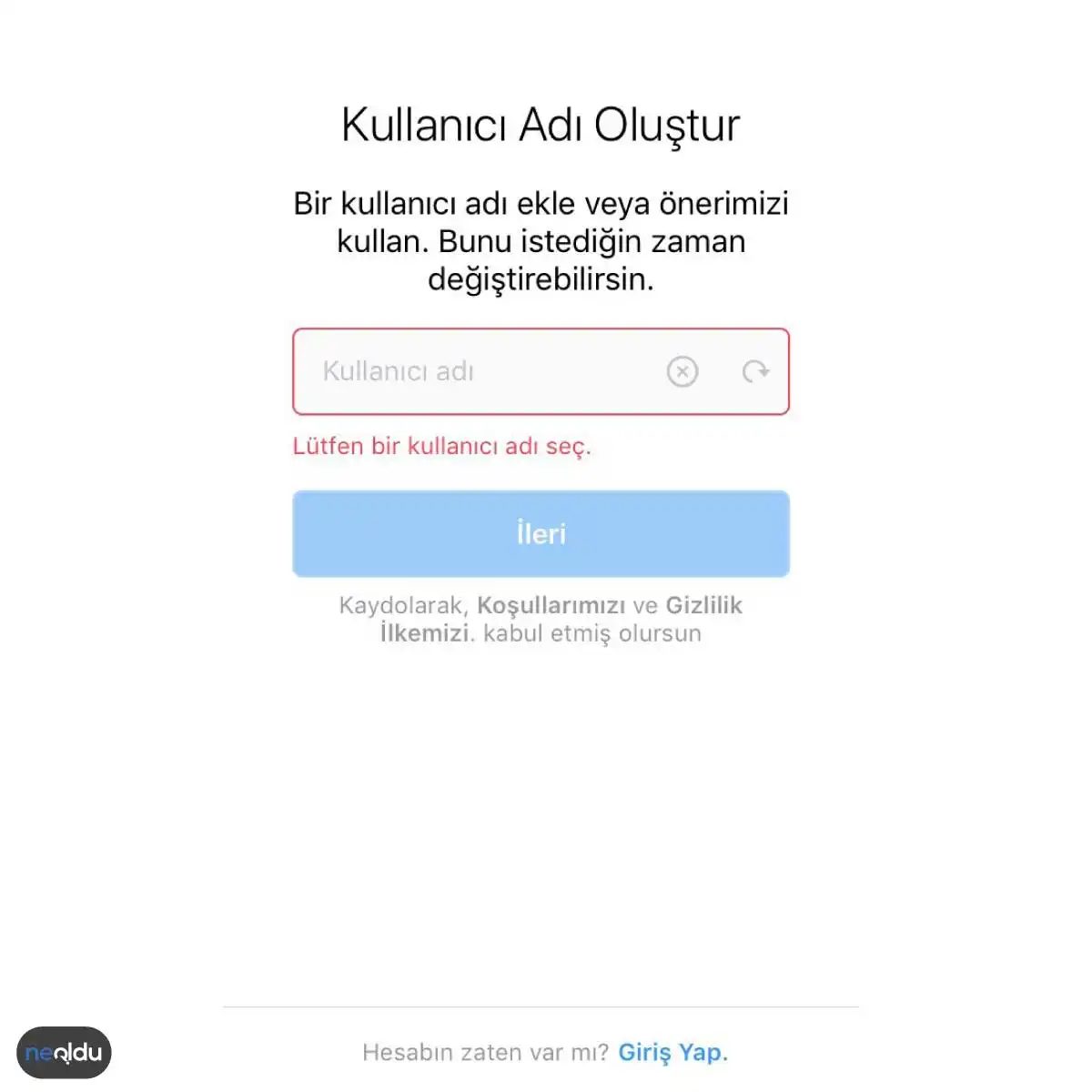
Finishing the registration and connecting your social graph
Once you input your chosen username and hit next, the screen shifts. It’s done. You’re officially on Instagram. 🎉
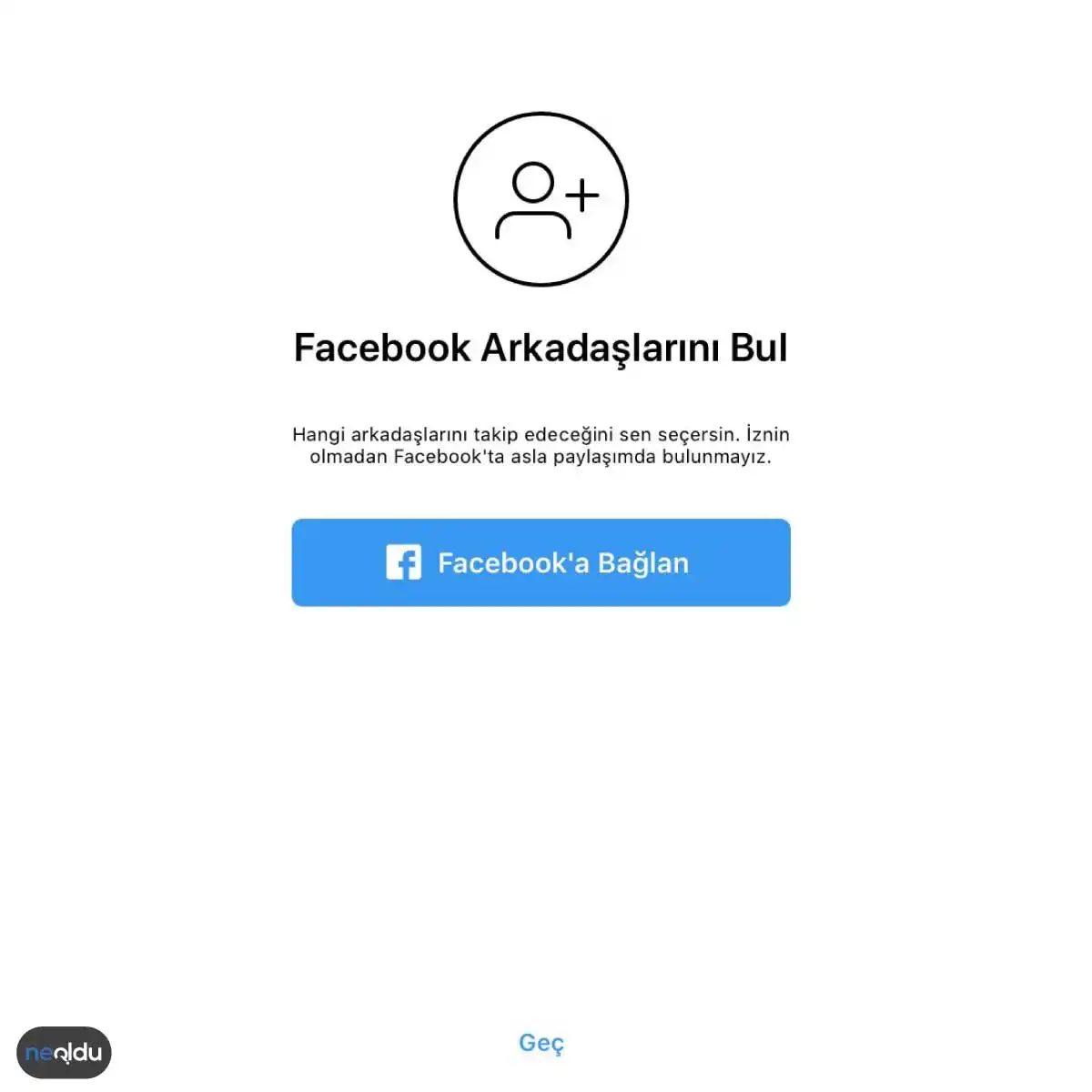
But there’s one more prompt before you’re fully in. The app asks if you want to link your Facebook account.
Why does this matter? It’s the easiest way to populate your follower list with people you already know. If your Facebook friends are already on Instagram, connecting the two accounts syncs them. No manual searching. No awkward DMs asking, “Are you on Insta?”
This feature relies on the shared Meta infrastructure. Since both platforms belong to the same parent company, the data bridge is built-in. It’s not just a marketing ploy—it’s a utility for discovery.
Do you want it?
If yes, tap Connect to Facebook. The app will pull your contacts and suggest friends. It’s efficient.
If you don’t care about finding your high school classmates or that colleague you see every day, ignore it.
Scroll to the bottom.
Tap Skip.
It’s right there. Small text. Easy to miss if you’re rushing to post your first selfie. But skipping is fine. You can always go into settings later and link Facebook then. The app won’t vanish if you delay the connection.
The choice is yours. Privacy or convenience. Isolated feed or expanded network.

Instagram’a Kaydolmak İçin Gerekenler
Instagram is no longer just a photo-sharing app; it’s a digital ecosystem with billions of active users. If you’re trying to get in, the barrier to entry is practically zero. The process is straightforward, but knowing the mechanics behind it saves time later.
First, you need the hardware. The Instagram app is available for both iOS and Android devices. You can grab it from your device’s respective app store—Apple App Store or Google Play. Once installed, open the app. You are immediately presented with a choice that defines your onboarding experience: use a phone number or email, or skip the friction entirely by linking a Facebook account.
Choosing Your Registration Method
If you opt for the manual route, you’ll be asked to provide a phone number or a valid email address. This is non-negotiable for security. You will also need to create a unique username and a strong password. After submitting this data, Instagram sends a verification code. This code is your key. Enter it, and the account is officially yours.
Why does this matter? Because phone numbers and emails are tied to real-world identities. It prevents bot farms from creating infinite accounts. It’s a minor inconvenience for most users, but it keeps the platform somewhat authentic.
There is a faster way, though. If you already have a Facebook account, Instagram allows you to sign up using it. This isn’t just about convenience; it’s about data leverage. Facebook passes your existing profile information over. It speeds up the process significantly. After linking, you can still set a custom Instagram username and password, but the heavy lifting is done by Meta’s backend infrastructure.
Linking Facebook isn’t just faster; it’s a data bridge. You are essentially borrowing trust from an existing platform to access a new one.
Using Instagram Actively
Getting the account is the easy part. Using it effectively requires a shift in mindset. Instagram rewards consistency and engagement, not just passive scrolling. The algorithm prioritizes content that keeps users on the app. To succeed—or simply to enjoy the experience better—you need to interact with it on its terms.
Start by optimizing your profile. A clear profile picture and a bio that explains who you are help you connect with the right people. But don’t stop there. Use Stories. They disappear after 24 hours, which lowers the pressure of perfection. Use them for raw, behind-the-scenes moments that don’t need to be polished.
Reels are another critical component. Instagram is pushing short-form video hard to compete with TikTok. If you want visibility, Reels are where the algorithm is looking. Vertical video, trending audio, quick cuts. It’s a formula, but it works.
Engagement is a two-way street. Like, comment, and share. The more you interact with others’ content, the more relevant your own feed becomes. It’s a feedback loop. If you ignore the social aspect, you’re just a spectator. If you engage, you become a participant.
The platform changes frequently. Features are added, deprecated, or shifted. Staying active means staying aware of what’s new. It’s not enough to just show up. You have to show up consistently.

You’re past the registration wall. The blue checkmark is gone. Now what?
Most people think signing up is the hard part. It isn’t. Staying relevant is.
The algorithm doesn’t care about your potential. It cares about your activity. If you disappear for three weeks, your reach tanks. You have to show up. Consistency isn’t a luxury here. It’s the baseline requirement for visibility.
### Posting Rhythm Matters More Than Frequency
Daily posting isn’t mandatory if you’re burning out. But sporadic posting kills momentum.
Pick a cadence you can sustain. Three times a week? Good. Every day? Better. The key is predictability. When your audience knows when to expect you, they stay tuned in. Gaps in posting signal to the app that you’re inactive. You want to look alive.
### Visuals Have to Work Harder
“High quality” doesn’t mean expensive gear. It means intentionality.
A blurry photo with bad lighting screams neglect. You don’t need a studio. You need clarity. Whether it’s a sharp photo, a clean graphic, or a well-edited Reel, the content must stop the scroll.
If your feed looks cluttered or chaotic, people bounce. Curation matters. Make sure every post adds value. Does it entertain? Educate? Inspire? If the answer is no, delete it.
### Engagement is a Two-Way Street
Posting into the void is lonely. And ineffective.
Instagram rewards reciprocity. Reply to every comment on your posts. Ask questions in your captions to prompt replies. Don’t just like other people’s content; leave meaningful comments. Build relationships, not just follower counts.
Follow accounts in your niche. Interact with them. This puts your name in front of their audience. It’s networking. It’s how you grow organically without paying for ads.
### Hashtags: Precision Over Volume
Spraying twenty hashtags on a post about your lunch isn’t strategy. It’s spam.
Use relevant tags. Mix broad terms with niche-specific ones. If you’re a baker in Berlin, #Baking is too wide. #BerlinBaker or #GermanPastry is precise. You want to attract people actually interested in your subject.
Too many tags look desperate. Too few limit your discoverability. Find the middle ground. Relevance wins every time.
### Stories for Real-Time Connection
Feed posts are for polishing. Stories are for connecting.
Use Stories for the unfiltered stuff. Behind-the-scenes clips. Polls. Q&A stickers. This feature is designed for intimacy. It shows the human behind the brand.
People engage with Stories because they feel immediate. They expire. They create urgency. Use polls to get quick feedback. Use questions to start conversations. It’s low-pressure interaction that builds loyalty.
### Quick Facts for New Users
Is it free to join?
Yes. No hidden fees for the standard account.
Age limits?
You must be at least 13. Instagram enforces this, though not always perfectly.
Choosing a username?
Your handle is your identity. Make it memorable. Avoid random numbers if possible. If it reflects your personal brand or niche, you’ll have an easier time growing.
Contact info required?
You need an email or phone number. This is for verification and recovery. Don’t skip it.
Profile picture mandatory?
No. But recommended. Accounts with photos get significantly more engagement. It puts a face to the name.
Security basics?
Strong passwords. Two-factor authentication (2FA). Enable it now. Check your active sessions periodically. Security is non-negotiable.
What info to share?
Stick to your niche. Email, username, bio. Keep sensitive data private. Adjust your privacy settings based on whether you want to be a public figure or a private individual.
The tools are simple. The execution is where the gap lies. Most people fail at the consistency piece. They get excited, post five times in one day, then vanish for a month.
Don’t be that person.
Show up. Stay consistent. Engage. The rest is just details.