


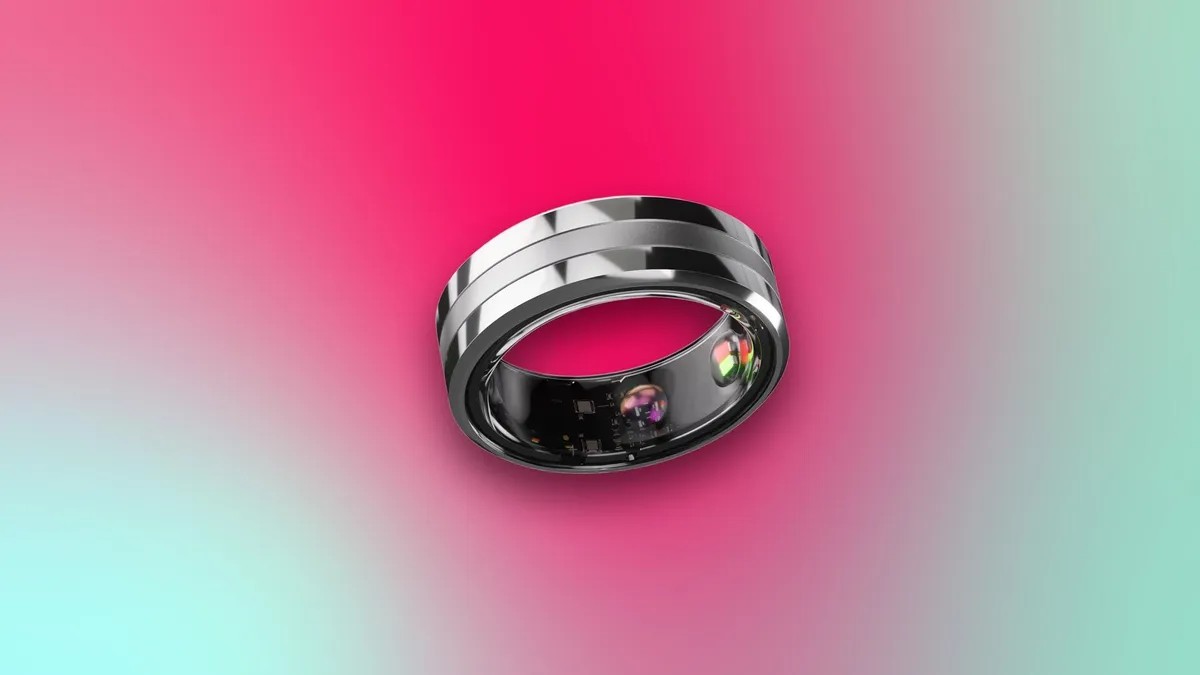
The Smart Ring just dropped. It claims it can measure your blood pressure without a cuff. This is the Signal Ring from startup Vital Signals. They say it works. They say it is accurate. It is a bold move in a market that has tried this before. Most competitors are still playing it safe. They track trends. They do not give you numbers. The Signal Ring wants to change that rule set entirely.
Зміст
Why cuffless blood pressure monitoring matters now
High blood pressure is common. The CDC says 48.1% of U.S. adults have it. That is nearly half the adult population. It raises stroke risk. It hurts your heart. Currently, you need a cuff to check it. It is annoying. People skip checks. They get lazy. If a ring can do the job accurately, monitoring becomes invisible. You just wear it.
Vital Says the ring is four to five times faster than old cuff tech. They ran a clinical study. 451 people were in it. The release notes claim the device hits “the international accuracy standard for cuffless blood pressure devices.” They pair with an app. The app gives you the readouts. If this works, hypertension management gets easier.
Does wearable tech actually track blood pressure correctly?
Doctors are skeptical. Dr. Lindsey Rosman works in cardiology at UNC. She sees the limitations daily. Photoplethysmography (PPG) sensors struggle with real life. Your body is noisy.
Motion messes up the signal. Darker skin absorbs more light. The signal gets weak. Cold fingers change blood flow. This has nothing to do with pressure. Irregular heartbeats distort the waveform. Even how tight the ring is on your finger changes the data. Rosman wants to see more rigorous tests before she trusts it. She isn’t alone.
Vital Signals says their tech is different. They use a “proprietary high-speed sensor.” They claim it captures blood flow details better. Algorithms separate the pressure from the noise. That sounds promising. But we need independent verification. Until then, it is hard to judge if the Signal Ring is truly the first effective accurate cuffless blood pressure tracker for daily wear.
Which devices compete in this space?
There are other players. Omron HeartGuide inflates a band around your wrist. It works like a mini cuff. It is accurate. But who wants an inflatable watch? Most people do not.
The Oura Ring and Apple Watch track metrics. They look for trends. They hint at cardiovascular changes. They do not give direct blood pressure numbers. They don’t replace the cuff.
Rosman warns about the middle ground. Bad data causes issues. It can make you worry unnecessarily. Or worse. It gives false assurance. You think you are fine when you are not. This is a real danger. White-coat hypertension already skews clinical results due to anxiety. A home device shouldn’t add another variable to the mix.
“Inaccurate heart data can trigger unnecessary worry or false assurance,” Rosman noted.
How much does the Signal Ring cost and when can you buy it?
Price matters. The Signal Ring costs $399. There are no subscriptions. No monthly fees. You pay once. Preorders are open now. Shipping starts in October. It follows the Oura model closely. No FDA clearance yet. The FDA has not reviewed or cleared the device. This is normal for early releases. But it is something to remember.
If the ring proves consistently accurate, it helps. You get continuous data. One reading in a clinic misses everything else. The ring could show nighttime patterns. It might track stress responses. It could monitor medication effects over weeks. This depth is the value proposition.
Rosman has final advice. Do not go rogue. Talk to your doctor. Fit the device into a real management plan. Don’t just buy tech because it looks cool. Blood pressure is serious business.
We will see. October is not far away. The data will speak then.


