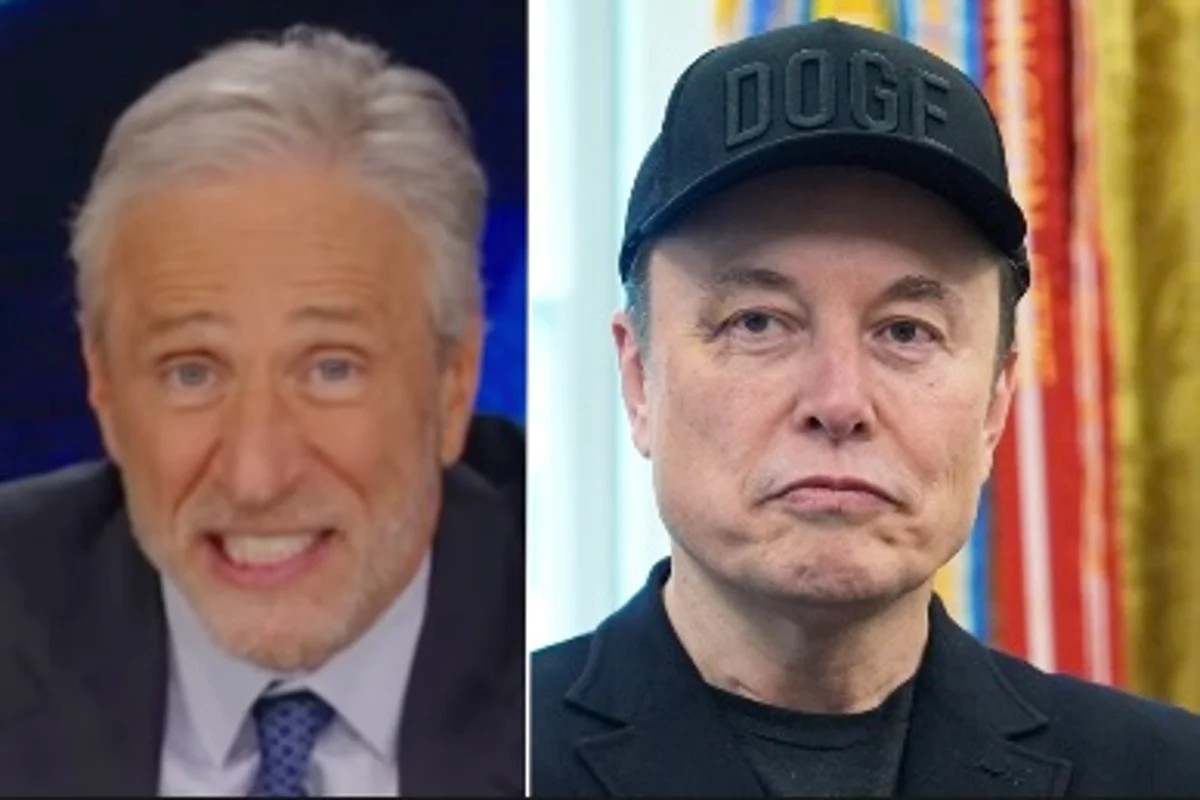
Elon Musk and Jon Stewart engaged in a public dispute over X (formerly Twitter), with Musk accusing Stewart of being an “extremely skilled propagandist.” The exchange unfolded after Stewart criticized Musk’s platform, alleging that its algorithm incentivizes misinformation from the right while claiming to champion free speech.
The Core of the Dispute: Algorithm and Influence
Stewart argued that Musk’s platform amplifies harmful narratives and that his algorithm is a more potent factor in distorting democracy than any alleged voter fraud. He pointed out the irony of Musk promoting “uncensored” content while simultaneously designing an algorithm that rewards extreme viewpoints. The comedian suggested Musk’s rhetoric about “truth” being revealed through uncensored material is disingenuous, as the algorithm actively boosts misinformation.
Musk’s Retaliation and Ongoing Feud
Musk responded by labeling Stewart a “propagandist,” a claim Stewart mirrored back at Musk. The conflict escalated with Musk mocking Stewart over a past injury on his podcast, offering to send him “DOGE merch” as a form of comfort. This reflects a pattern of Musk’s often combative online behavior. The feud extends to Musk’s refusal to appear on Stewart’s show unless it airs unedited, a promise he has yet to fulfill, leading Stewart to accuse Musk of “ghosting” him.
Deeper Implications: Tech Power and Political Discourse
This clash highlights a critical tension between tech billionaires and media personalities over the control of information flow. Musk’s ownership of X and his hands-on approach to its algorithm give him considerable influence over public discourse, raising questions about the responsibility of platforms in moderating or amplifying harmful content. The fact that this is happening amid broader concerns about election integrity and political polarization makes the dispute particularly relevant.
“The algorithm incentivizes misinformation from the right, and he designs it.” – Jon Stewart
Musk’s response underscores a broader trend of tech leaders rejecting traditional media scrutiny while simultaneously wielding significant power over the media landscape. His repeated jabs at Stewart, combined with his earlier involvement in political operations like backing Donald Trump’s DOGE, suggest a pattern of aggressive engagement with critics and a willingness to leverage his platform for political influence.
The debate ultimately raises questions about the future of free speech online, the role of algorithms in shaping public opinion, and the accountability of tech billionaires in moderating their own platforms. The back-and-forth between Musk and Stewart is likely to continue as long as both remain influential figures in the digital and political spheres.