Smart glasses are no longer a futuristic concept; they’re a present-day reality, and they pose a growing threat to public privacy. Recent incidents – including warnings issued by a judge to lawyers wearing Meta Ray-Bans in court – highlight how easily these devices can be used for surreptitious recording. This isn’t a hypothetical concern; it’s happening now, and most people remain unaware.
The Rise of “Glassholes” and Undetected Surveillance
The core problem is simple: smart glasses, particularly Meta’s Ray-Ban models, look almost identical to regular sunglasses. This allows wearers to record video and photos without drawing suspicion. The lack of public awareness is being exploited, with reports of harassment, particularly targeting vulnerable populations like the homeless, service workers, and women.
In 2025, Meta sold 7 million pairs of smart glasses, making them accessible to anyone with $300 or more. This includes influencers and content creators who can use them to capture footage without consent. The potential for abuse extends to surveillance at protests, secret recordings in private spaces, and the looming addition of facial recognition technology.
Identifying the Technology: What to Look For
The key to mitigating this threat is knowing how to identify smart glasses. While models vary, the most common are produced by Meta. Here’s how to spot them:
- Indicator Light: A small LED bulb activates when the wearer is filming. However, it can be subtle, especially in bright sunlight.
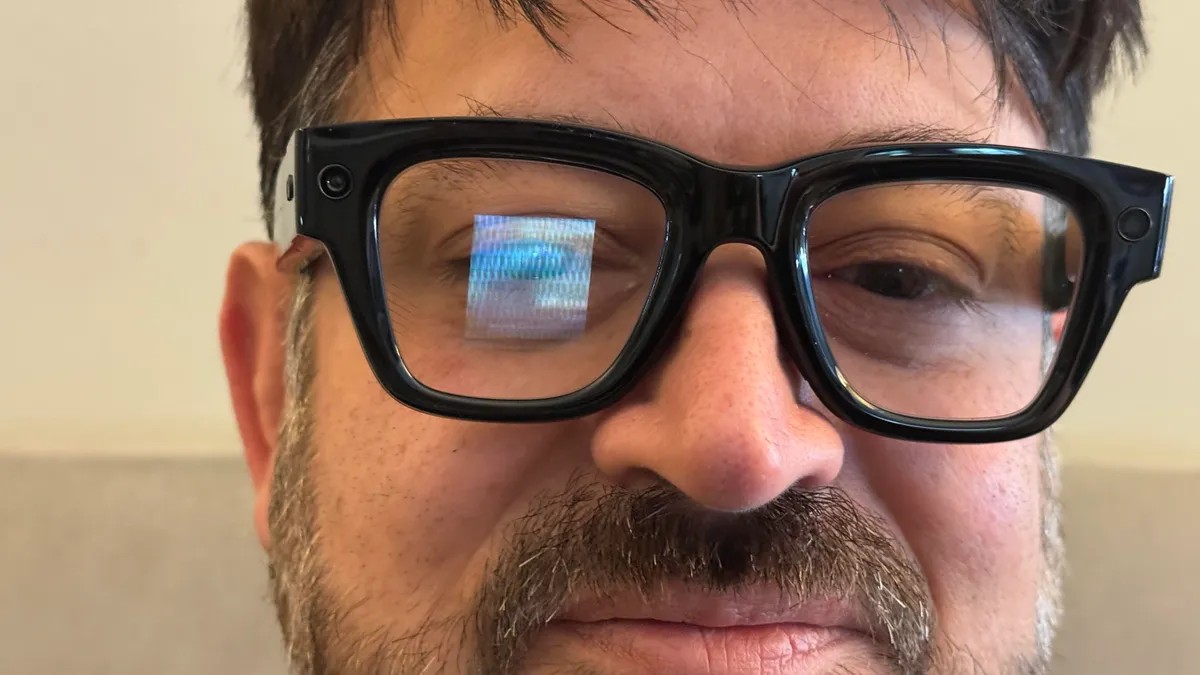
- Camera Location: Meta Ray-Bans have a camera lens in the upper left or right corner of the frame.
- Audio Cue: A shutter sound accompanies photo capture, but it’s also easily missed.
- Frame Design: The latest models include a subtle screen built into one lens, but it’s mostly visible only to the wearer.
Some users attempt to disable indicators by covering the LED or modifying the frame, rendering them even harder to detect. Pinhole camera glasses are also available, specifically designed for covert recording.
Beyond Detection: The Future of Privacy in Public Spaces
Smart glasses are not inherently malicious. They have legitimate uses for creators, disabled people, and other groups. But their potential for abuse demands attention. Current laws offer little protection, leaving individuals vulnerable to surreptitious recording.
“The first step is knowing how to identify the technology.”
As smart glasses become more widespread, social norms will likely evolve. Just as we’ve adapted to the prevalence of phone cameras, we’ll need to adjust to the reality of wearable recording devices. Recognizing these glasses is the first step toward reclaiming some control over privacy in public spaces.
Ultimately, the rise of smart glasses is a reminder that technology is not neutral. It can be a tool for empowerment, but also a weapon for surveillance. The challenge now is ensuring that the future of this technology doesn’t come at the expense of personal privacy.