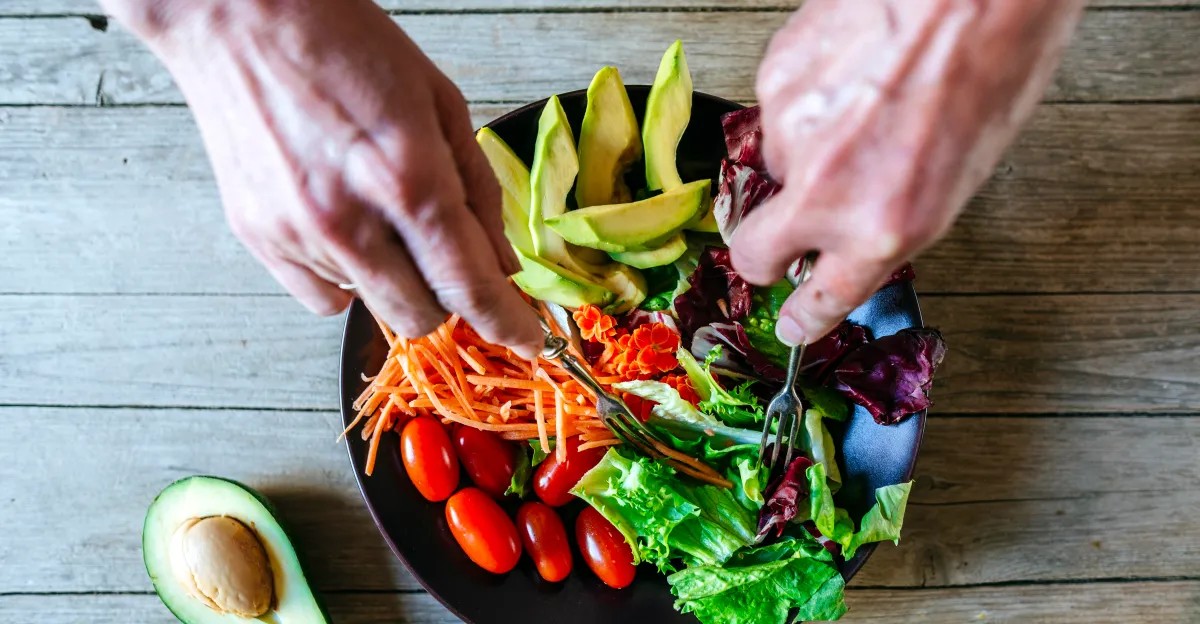
The lettuce aisle looks different this year. You hesitate. The bagged salads sit there, innocent and deadly. Are those safe? The answer is complicated. It shouldn’t be. But it is.
This is a summer of diarrhea. Specifically, watery, explosive, frequent diarrhea caused by the parasite Cyclospora cayetanensis. We call the illness cyclosporiasis. It sounds scientific, distant, manageable. Then it hits. More than 4,30 people in Michigan are already sick. Ohio counts 364. The list of states grows. Doctors are asking questions they never thought they’d ask on a Tuesday. Should I stop eating salad? Is there any vegetable that isn’t a biological hazard?
You might be thinking about switching to ramen. Or maybe just grilled cheese. The instinct to retreat to safe, cooked foods is strong. It is also wrong. You should still eat plants. But you need a new strategy.
Зміст
Why avoid pre-packaged salads and cilantro right now?
We don’t have a smoking gun for the current outbreak. Not yet. Federal officials whispered to The Washington Post that Taylor Farms products used by Taco Bell might be the source. We’re waiting for confirmation. But we know the history of this parasite. Cyclospora likes specific hiding spots. It loves the nooks and crannies of certain leaves and the complex surfaces of berries.
Look at the track record. These items are your “red light” foods. Avoid them completely for now.
- Basil
- Cilantro
- Parsley
- Snow peas
- Sweet peas
- Raspberries
- Bagged salads (pre-mixed, pre-washed, whatever you call it)
- Mesclun mixes
These aren’t just unlucky. Their structure helps the parasite survive. Cyclospora is tough. It can live outside a host for months. It waits in soil, on leaves, on stems. If a leaf has folds, veins, textures, the parasite hides. You can rinse the top, but you won’t reach the crevice where it’s sleeping.
Michigan health officials are urging people to buy whole heads of lettuce, not the bagged kind. Make sense. When you buy the head, you control the wash. You peel back the outer layers, the ones likely contaminated, and keep the inner core. Bagged salad is a gamble you cannot afford to take.
Washing produce during a cyclosporis outbreak
For the rest of the garden, we operate in the yellow zone. Proceed with caution. This includes whole lettuces, textured skins on melons, and firm vegetables.
Rosemary Trout, a food scientist at Drexel University, puts it bluntly. Fresh produce is nutrient-dense and safe in theory. But texture is risk. A raspbery’s bumpy skin traps dirt and bugs far better than a smooth blueberry’s. That’s why berries, specifically raspberries and strawberries, have been linked to past outbreaks. They are risky. Blueberries less so. But still. Wash everything.
How well does that mean? Badly? No. You have to scrub.
Here is the truth that upsets the people who love the convenience of the “pre-washed” label: That label means nothing for parasites. Cyclospora isn’t removed by a light industrial spray. Several doctors told me to ignore the label. Wash again. Then wash again. Use water. Friction helps. But for leafy greens, peeling is better than washing. Peel the leaves off the head. Wash the individual leaves. Or better yet, don’t eat the outer three leaves at all.
Hand hygiene is non-negotiable. Twenty seconds. Hot soapy water. Before you touch the food, after you touch it, before you put your fork in your mouth. If you are handling cilantro and then a smooth bell pepper, your hands are the bridge for contamination.
Which fruits and vegetables are actually safe?
There are “green light” foods. You don’t need to fear them. Heat kills Cyclospora. That is its weak spot.
If you cook the produce, you destroy the parasite. So canned fruits are fine. Frozen veggies? Yes, generally. Frozen foods are usually flash-frozen close to harvest and processed in controlled environments, plus the cooking step that usually follows eliminates risk. But check the processing. Some frozen blends might have leafy greens added that aren’t fully cooked until you boil them. Saute the spinach. Sauté the kale. Heat is your friend.
Trout suggests some specific swaps if you’re worried about lunch. Instead of a leafy salad:
– Shredded peeled carrots
– Thinly sliced radishes (peel the outside if unsure)
– Sliced cooked beets
– Roasted peppers
– Grilled eggplant
These vegetables are smooth, or they are cooked, or they have a hard rind you cut through. Peppers, squash, zucchini, eggplant. They hold up to fire. They clean easily. Spinach wilts fast but it cooks. A quick sauté kills the parasite. You’re still eating greens. You’re just eating warm ones.
Is locally grown produce safer than grocery store organic?
Maybe. And supporting small farmers feels good during a crisis. But safety depends on the water supply.
Dr. Kathleen Linder at the Ann Arbor Veterans Affairs Hospital says she buys local now. Why? The supply chain for commercial produce is long. It’s messy. Bags of salad might mix leaves from five different farms in three different countries. If one farm uses contaminated water for irrigation, or if the groundwater near that farm is infected, your bag becomes a roulette wheel.
Local farmers? Single source. You know who grew it. You can ask them about their water. Trout emphasizes this. A small farm with good practices and a private well might be safer than a large conglomerate relying on municipal or surface water that varies in quality. However, farms also get sick. If the local aquifer is polluted, the farmer is vulnerable too.
So don’t treat “local” as a magic shield. Ask questions. Ask about the water. Ask if they tested for fecal coliforms. If they don’t know, buy from the neighbor over whose property they do know. Or buy the zucchini from the person selling it on a stand who grew it themselves in that exact field. Transparency lowers anxiety.
How to prepare summer cookouts safely
You are having a BBQ. Good. You need a plan.
Grill the veggies. Roast them in the oven. Steam the asparagus. High heat destroys Cyclospora. Boiling, sautéing, frying. The parasite is not heat-stable. If you serve raw carrots, peel them first. Don’t just rinse a whole carrot with the dirt still under the skin and expect it to be safe.
Check your cooler. Keep cold foods cold. Bacteria loves warm places, and while Cyclospora isn’t a bacterium, the ecology of spoilage often overlaps. Don’t leave cut watermelon out on the porch. Cut watermelons and cantaloupes are high-risk if the rind was contaminated when you sliced through it. Peel the melon before cutting, if possible, or wash the rind aggressively first.
This is exhausting. I know. The idea of scrubbing a tomato makes you want to throw in the towel. But consider the alternative. No produce? Nutrient deficiency, sluggishness, reliance on processed junk food. The health risks of not eating vegetables outweigh the risk of getting sick if you are careful. The risk is not zero, but it is manageable.
We are waiting for the EPA or USDA or the company at the bottom of this chain to take responsibility. We are waiting for a recall notice. Until then, you are the filter. Wash the carrots. Skip the bagged mix. Roast the squash. Trust the heat. Don’t let a parasite ruin summer. But do let it ruin your trust in pre-packaged convenience.