July 16, 1999. A small plane went nose-first into the Atlantic Ocean off Martha’s Vineyard. There was no explosion. No fireball. Just a sudden end.
John F. Kennedy Jr. was at the controls. Alongside him were his wife, Carolyn Bessette Kennedy, and her sister, Lauren Bessette. All three died instantly.
The National Transportation Safety Board (NTSB) released its findings in 2000. The conclusion wasn’t about engine failure. It wasn’t about mechanical error. It was about the pilot’s head.
The report cited a failure to maintain control. But the root cause was far more subtle. Spatial disorientation.
Flying at night over water is a nightmare for the human brain. The horizon vanishes. The sky merges with the sea. When haze creeps in, the visual cues disappear completely. Kennedy couldn’t see where up was. He couldn’t feel which way was level.
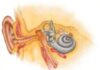
His inner ear lied to him. His eyes showed him nothing but black.
When a pilot loses their sense of direction in this way, they often don’t realize it until it’s too late. They might tilt the wings without knowing it. They might push the nose down to “level out” when they are actually diving.
Kennedy was descending. The haze was thick. The darkness was absolute. He believed he was flying straight. He was actually diving toward the ocean.
This isn’t just history. It’s a warning about how fragile human perception is in modern aviation. Even trained pilots can fall victim to the same trick the brain played on JFK Jr. That night, the sky didn’t just take a life. It exposed a flaw in how we trust our senses.