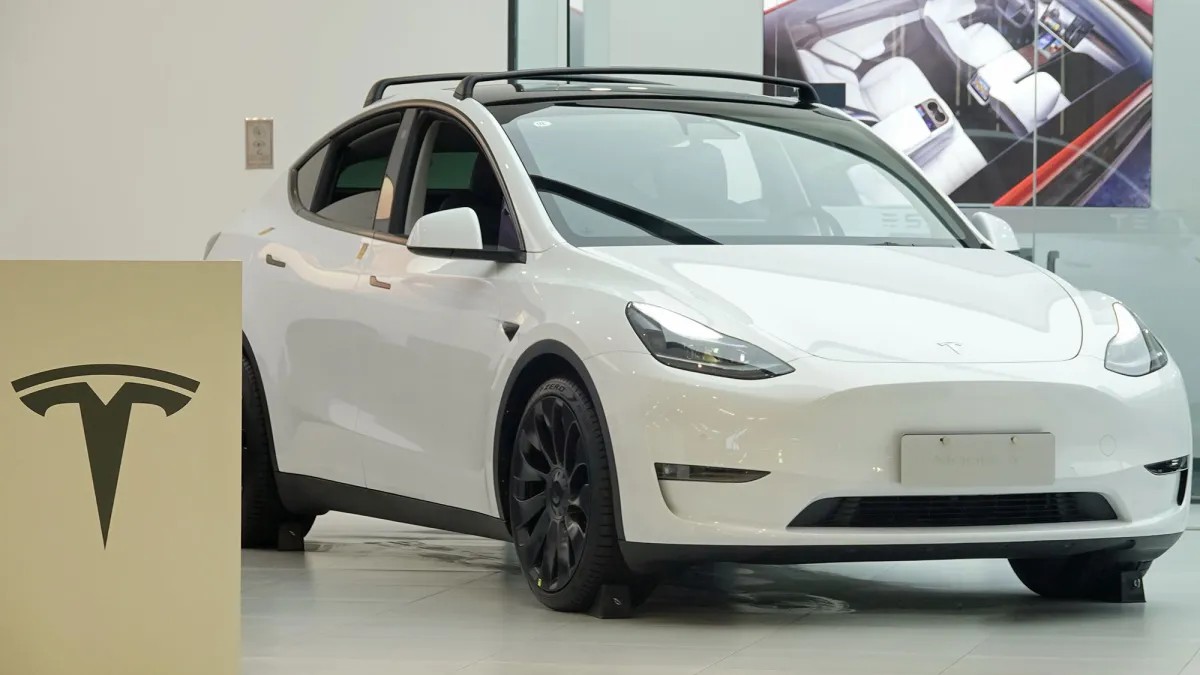
Elon Musk has officially acknowledged a significant hurdle in Tesla’s path toward fully autonomous driving: millions of existing vehicles lack the necessary hardware to run the company’s next-generation “Full Self-Driving” (FSD) software.
During Tesla’s recent quarterly earnings call, Musk clarified that vehicles equipped with “Hardware 3” (HW3) will be unable to achieve true, unsupervised autonomy. This admission marks a pivotal shift in the company’s narrative regarding the scalability of its driver-assistance technology.
Зміст
The Hardware Limitation
For years, Tesla has marketed its FSD capabilities with the implication that software updates would eventually bridge the gap between driver assistance and full autonomy. However, Musk has now drawn a hard line:
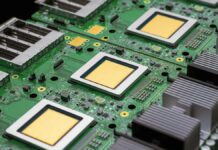
- The Requirement: To achieve “unsupervised” FSD, cars will require new computers and upgraded camera systems.
- The Verdict: Musk stated unequivocally that “Hardware 3 simply does not have the capability” to handle the advanced processing required for a driverless experience.
- The Scope: This affects a massive segment of the Tesla fleet, specifically vehicles manufactured between 2019 and 2023.
Logistics of a Massive Retrofit
The scale of the necessary upgrades presents a massive logistical challenge. To prevent traditional service centers from being overwhelmed, Musk proposed a new industrial approach: the creation of “micro-factories.”
“If it’s done just at the service center, it is extremely slow to do so, and inefficient. So we basically need, like many production lines, to make the change,” Musk noted.
By establishing these localized production lines in major metropolitan areas, Tesla aims to streamline the physical process of swapping out computers and sensors across millions of units.
Conflicting Signals and Potential Legal Risks
This admission highlights a period of internal inconsistency within Tesla’s leadership. Only six months ago, in October 2025, Tesla CFO Vaibhav Taneja suggested the company had “not completely given up on HW3.” Musk’s latest comments effectively end that debate, prioritizing the move toward more powerful hardware over trying to optimize aging systems.
Why this matters for consumers:
This shift creates a significant legal and financial gray area. Many customers purchased Tesla vehicles and the expensive FSD software package under the premise that their cars would eventually become fully autonomous through over-the-air software updates.
The realization that a physical, potentially costly, and time-consuming hardware overhaul is required may expose Tesla to:
1. Consumer litigation: Owners may argue they were misled regarding the long-term value and capabilities of their vehicles.
2. Resale value concerns: Vehicles stuck on older hardware may face rapid depreciation as the industry moves toward true autonomy.
Conclusion
Tesla’s pivot from software-only solutions to a massive hardware retrofit underscores the immense computational reality of autonomous driving. While the company plans to continue supporting HW3 with incremental software updates, the dream of “unsupervised” driving will now require a physical transformation of the existing fleet.