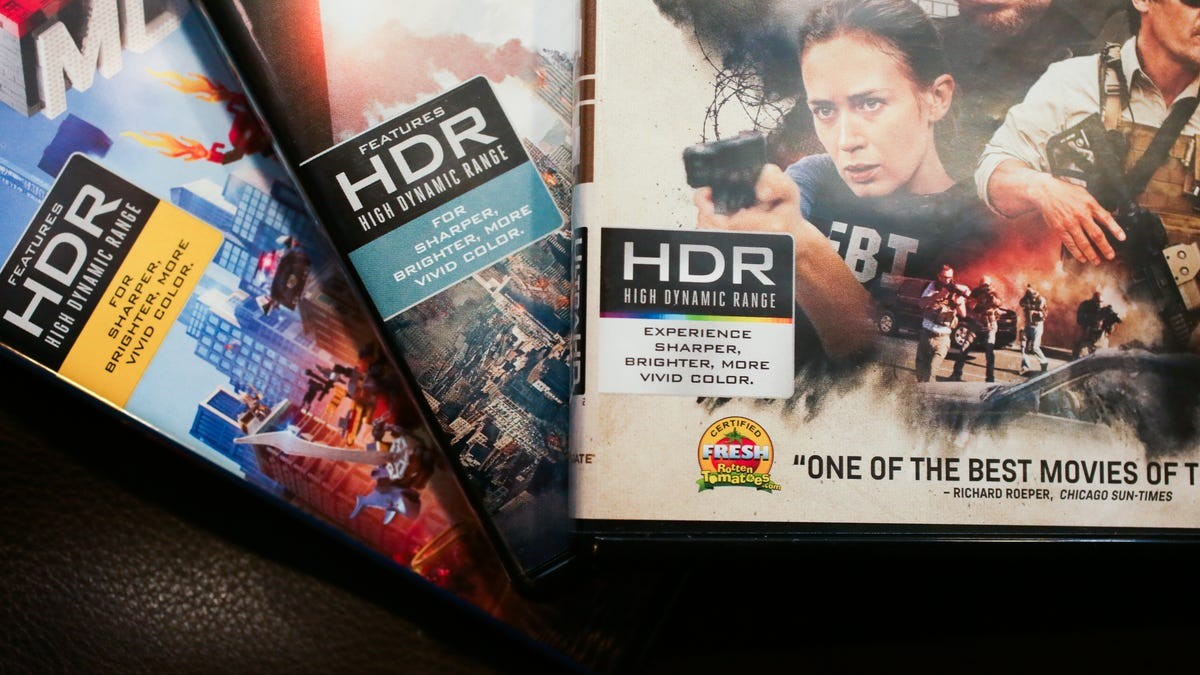
Modern TVs now routinely display high dynamic range (HDR) content, creating richer colors and deeper contrast than older displays. However, multiple HDR formats exist — HDR10, Dolby Vision, and Hybrid Log-Gamma (HLG) — leading to confusion. This guide breaks down each format, explaining how they differ and which one matters most.
Зміст
The Basics: Why HDR Formats Matter
HDR improves picture quality by expanding the range of brightness and color a TV can display. This makes images more lifelike and detailed. However, these improvements depend on both the TV and the content supporting the same HDR format.
The core issue: Not all TVs can decode every format, and not all content is available in all formats. Understanding the differences helps maximize your viewing experience.
HDR10: The Universal Standard
HDR10 is the most widely supported HDR format. Every HDR-compatible TV supports HDR10, making it the baseline for HDR content. It’s an open standard, meaning manufacturers don’t pay licensing fees to use it.
However, HDR10 uses static metadata. This means the brightness settings are fixed for the entire movie or show. While effective, it lacks the precision of other formats.
Dolby Vision: Superior Quality, Higher Cost
Dolby Vision (DV) offers potentially better image quality than HDR10 due to its use of dynamic metadata. This allows brightness levels to adjust scene-by-scene, giving filmmakers finer control.
The catch: TV manufacturers must pay Dolby a licensing fee to implement DV. Dolby also ensures compatibility, optimizing the display for the best possible result. Though more expensive, DV content is growing in popularity on streaming services and 4K Blu-rays.
HDR10+: The Royalty-Free Alternative
Developed by Samsung, Panasonic, and Fox (now Disney), HDR10+ also uses dynamic metadata like Dolby Vision. Unlike DV, it’s royalty-free. While picture quality is comparable to DV in many cases, HDR10+ has less content and fewer supported TVs.
HLG: Broadcast-Friendly HDR
Hybrid Log-Gamma (HLG) is designed for broadcast TV. Its unique advantage is backwards compatibility : an HLG signal can be viewed on both standard and HDR TVs without issues.
While HLG doesn’t reach the same peak brightness as DV or HDR10, it makes HDR accessible in environments where other formats aren’t feasible, such as live broadcasts.
Availability: Which Format Wins?
- HDR10: Ubiquitous in both TVs and content.
- Dolby Vision: Growing in popularity, but still less common than HDR10.
- HDR10+: Limited content and TV support.
- HLG: Primarily for broadcast TV.
The Bottom Line
Don’t stress too much over format compatibility. Most HDR TVs support HDR10, which is widely available. Dolby Vision offers potential quality improvements, but it’s not essential.
The key takeaway: Any HDR content will look better than standard dynamic range (SDR). If you have an HDR TV, enjoy the upgrade, regardless of the specific format.