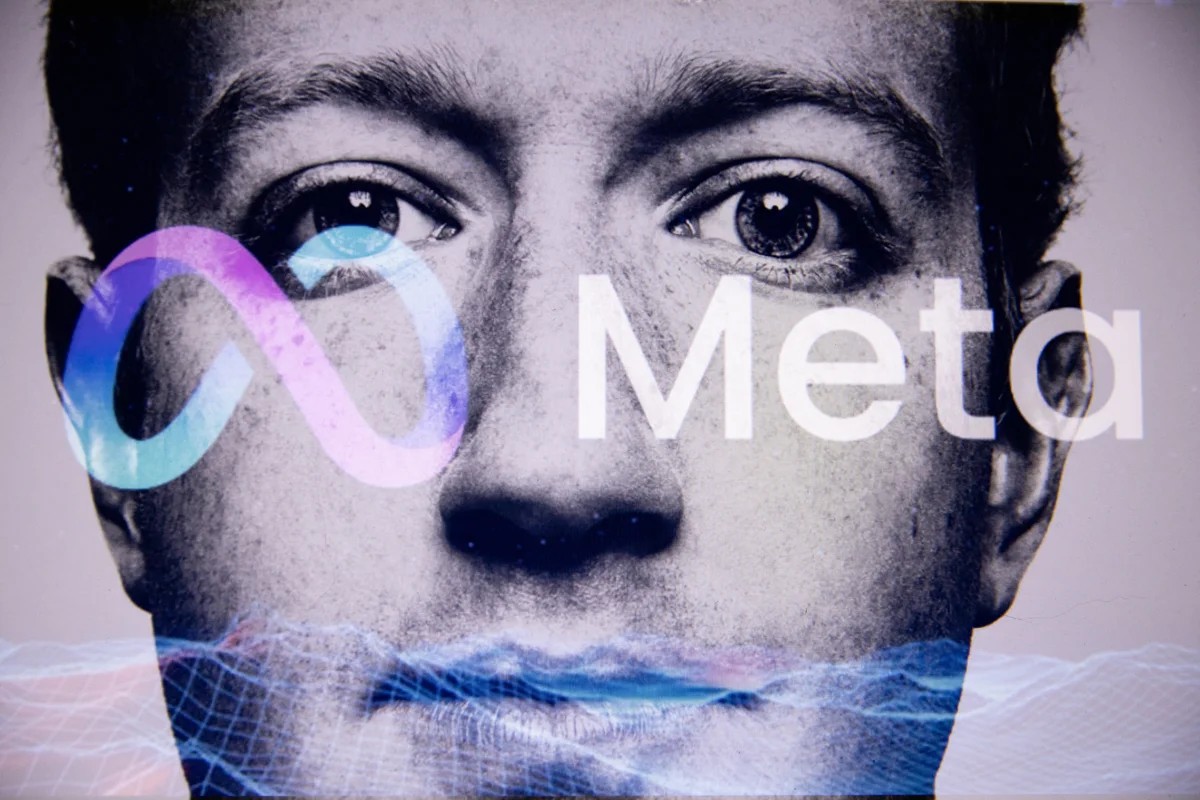
Meta is launching a new initiative to train its artificial intelligence models by monitoring how its employees interact with computers. According to internal documents reported by Reuters, the company plans to capture granular data—including mouse movements, clicks, keystrokes, and screen snapshots —to teach AI how to navigate digital workspaces more effectively.
Зміст
The “Model Capability Initiative” (MCI)
The project, known internally as the Model Capability Initiative (MCI), is designed to bridge a specific gap in current AI capabilities. While large language models are excellent at processing text, they often struggle with the physical mechanics of computer use, such as:
– Navigating complex dropdown menus.
– Utilizing specific keyboard shortcuts.
– Understanding the flow of UI (User Interface) interactions.
By observing employees performing their daily tasks on work-related apps and websites, Meta aims to provide its models with “real-world” examples of human-computer interaction. This allows the AI to learn the nuances of how a person actually operates a workstation.
From Workers to Supervisors: The Vision for “AI Agents”
This move is part of a broader strategic shift within Meta, led by CTO Andrew Bosworth. The company is transitioning toward a model called Agent Transformation Accelerator (ATA), which focuses on integrating AI deeply into every workflow.
Bosworth has outlined a future where the relationship between humans and technology is fundamentally redefined:
“The vision we are building towards is one where our agents primarily do the work and our role is to direct, review and help them improve.”
In this vision, AI “agents” will handle the bulk of routine digital tasks, while human employees shift into supervisory roles—monitoring the AI, intervening when necessary, and providing the feedback required for the agents to learn from their mistakes.
Privacy and Implementation Concerns
The level of surveillance required for this initiative—tracking everything from keystrokes to periodic screen captures—raises significant questions regarding employee privacy and data security.
In response to these concerns, Meta spokesperson Andy Stone clarified the following:
– Purpose Limitation: The data collected via MCI is intended strictly for model training, not for employee performance evaluations.
– Data Safeguards: Meta claims to have safeguards in place to protect “sensitive content,” though the company has not specified which types of data are excluded from collection.
Why This Matters
Meta’s approach represents a significant trend in the tech industry: the move from Generative AI (which creates content) to Agentic AI (which performs actions).
To create an AI that can actually do work rather than just talk about it, companies need massive datasets of human behavior. By using its own workforce as a training ground, Meta is attempting to build a proprietary loop where every minute of human labor contributes to the intelligence of the next generation of digital workers.
Conclusion: Meta is pivoting toward a future of “Agentic AI,” using granular employee activity data to train models capable of performing autonomous digital tasks. This strategy seeks to transform human roles from primary executors of work to high-level supervisors of AI agents.