Indian startup Snabbit is reportedly nearing a significant new funding round that would value the company at approximately $400 million. According to sources familiar with the matter, the Bengaluru-based company is in talks to raise between $50 million and $55 million, or potentially more, driven by high investor interest.
The round is expected to be led by Susquehanna Venture Capital, with participation from Mirae Asset, FJ Labs, and existing backers including Lightspeed Venture Partners and Bertelsmann India Investments. If finalized, the deal could be officially announced as early as next week.
Rapid Growth and Scaling Operations
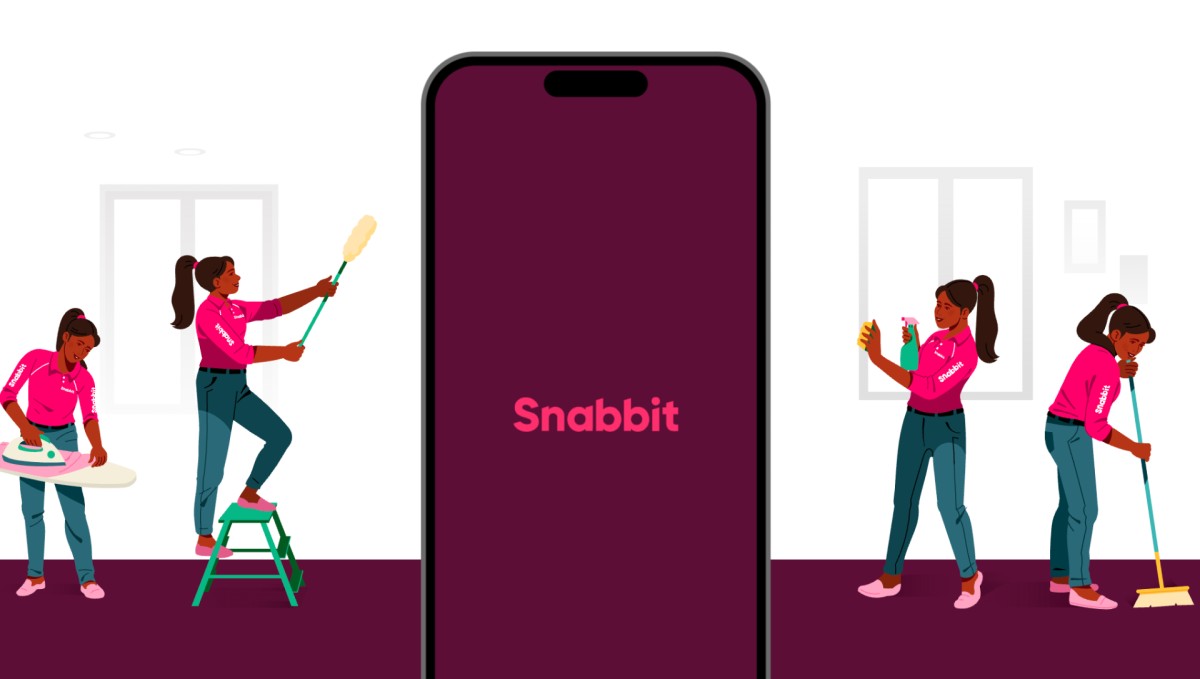
Founded in 2024, Snabbit operates an on-demand platform that connects urban households with domestic help for tasks such as cleaning, laundry, and dishwashing. The startup’s rapid ascent is reflected in its valuation, which is set to more than double from its $180 million valuation recorded in October 2025.
The company’s operational metrics show a steep upward trajectory:
– Monthly Volume: CEO Aayush Agarwal recently noted that the platform completed over one million jobs in March alone.
– Daily Demand: As of October, the company was processing more than 10,000 daily jobs.
– Workforce: The platform currently manages a network of approximately 5,000 professionals, all of whom are women.
A Competitive Surge in India’s Service Economy
Snabbit’s fundraising comes at a time when the “instant house-help” sector is experiencing a massive wave of investor interest in India. The market is becoming increasingly crowded as consumer habits shift toward the “on-demand” economy.
The competitive landscape is heating up:
– Pronto: A rival startup is reportedly finalizing a funding round led by Lachy Groom at a valuation of roughly $200 million.
– Urban Company: An established leader in the space, Urban Company reported that its instant home services segment surpassed one million bookings in March.
Why This Matters: The “On-Demand” Shift
This surge in valuation and competition is driven by a fundamental shift in India’s urban demographics. A growing, young, and tech-savvy workforce is increasingly moving away from traditional, unorganized domestic help in favor of app-based, reliable, and immediate services.
Just as the “quick-commerce” trend revolutionized grocery delivery in India, Snabbit and its competitors are attempting to do the same for domestic labor. This transition represents a move toward the formalization of the gig economy, turning traditionally fragmented household tasks into a structured, scalable digital market.
The rapid rise of Snabbit and its peers signals a broader trend: the integration of essential domestic services into the digital, on-demand lifestyle of India’s urban middle class.
Conclusion
Snabbit’s potential $400 million valuation highlights the massive scalability of on-demand domestic services in India. As competitors like Pronto and Urban Company battle for market share, the sector is poised to become a central pillar of the country’s burgeoning service economy.