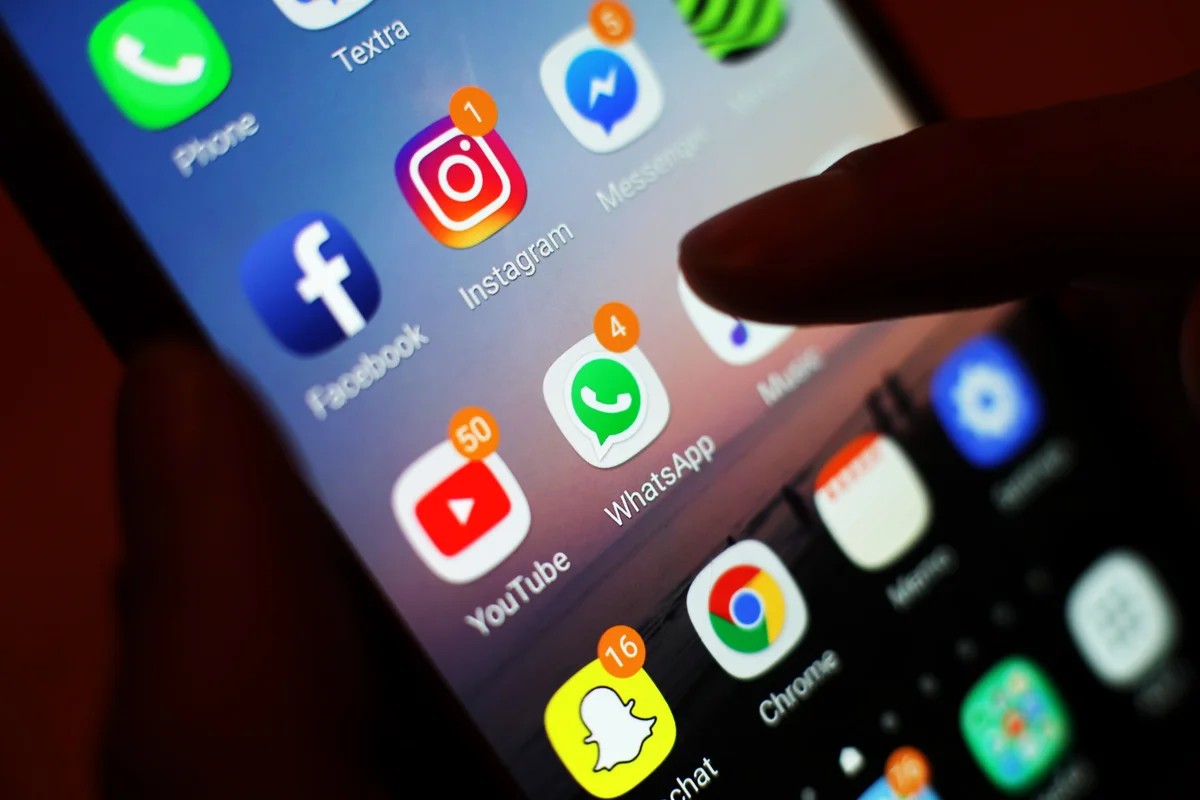
The messaging app broke overnight UK time. Users found themselves staring at a broken icon. Not the whole thing. Just the media.
Photos wouldn’t send. Videos bounced back. Even stickers—the fun ones—refused to load. It was a specific glitch, not a total collapse. Normal text messages still flowed through the wires. But if you tried to share a snapshot of your dinner? You were out of luck.
The spike hit hard at 10:30 pm UK time. Down Detector showed a massive surge in reports. People were confused. They weren’t used to this kind of selective failure.
Unlike other tech giants, WhatsApp doesn’t have a status page. No public dashboard to tell you if the servers are sleeping. You just guess. You wait. You refresh.
For three billion users, that uncertainty is part of the deal. But tonight, it was just annoying.
It Was Just the Photos (For Now)
The issue appeared fixed by morning. The glitch was narrowly defined: delivering multimedia files. Everything else worked fine.
This is worth noting because Meta is busy merging infrastructure. Facebook and Instagram are moving under the same roof, server by server. Usually, this means one big crash takes out the whole ecosystem. Instagram posts don’t load. Facebook feeds freeze. WhatsApp goes dark.
Tonight was different. It was isolated. A weird, specific bug that targeted images and video but left text alone.
No other Meta services were affected. Instagram was fine. Facebook was fine. It was just WhatsApp, and just its media engine, failing overnight.
The Bigger Picture: Privacy and Control
While the servers cooled, WhatsApp announced changes coming later this year. Privacy is the hook. The feature is usernames.
Right now, you are found by phone number. Anyone who has your number can message you. It’s a privacy blind spot that some users hate. The new system changes that.
“You have to know my exact username,” Alice Newton-Rex, VP of Product, said.
No directory. No search bar that suggests names as you type. If I want to contact you, I need the string you registered. It’s not a contact book. It’s a key.
“We have designed this as a core privacy feature.”
The app will stop suggesting names. It won’t auto-complete. It’s intentional. It forces a direct line of communication rather than a discovery engine.
Current settings are basic. Block users. Mute unknown callers. Set a profile name that only shows in group chats for people who don’t have your number saved. The new username feature adds a layer. You can choose to be found only by that string, hiding the number entirely.
Timeline? Vague. “Coming months,” they said. No date. Just the promise that the phone number won’t be your only ID.
It’s a shift. A small one. But it changes how people connect.
The Open Question
Outages happen. They’re inevitable for infrastructure this big. The real question is less about why the servers failed tonight, and more about what happens next.
Will the username feature actually reduce spam? Or just add friction for legitimate contacts? Will the next outage be as selective? Or will Meta’s merged infrastructure eventually cause that single point of failure they’ve been working toward?
For now, the photos are sending again. The users are relieved. But the next crash is just a matter of time.