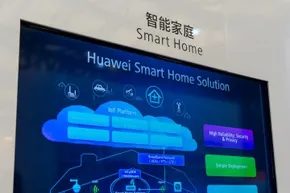
Coffee machines no longer just wait for you to press a button. When the alarm goes off, the sound gets louder. The light recognizes when you enter the room and brightens according to your needs. A hidden processor listens to your voice, summarizes your schedule and plays the morning news while you brush your teeth. Your car takes the least congested route, giving you free time in the morning to read your email or prepare for a meeting.
We’ve been reading about this future in science fiction novels for decades. Now it is more than possible. It happens. Or so it will be.
People call this wave of connectivity the Internet of Things (IoT). It can also be called the Internet of Everything (IoE). It is a network of networked devices that can collect information about their surrounding environment, send information and act accordingly. They use embedded sensors, processors and communication hardware to do their heavy lifting.
These are “smart” or “connected” devices. They don’t just sit there. they talk to each other. This is machine-to-machine (M2M) communication. One device receives information from the other and reacts immediately. While humans can intervene to set up equipment, issue commands, and examine data, most of the work is done by machines. they operate independently.
This level of automation exists today because hardware has become smaller and cheaper. In addition, our homes and businesses are always online. We finally have the infrastructure to support it.
Зміст
物联网如何运作
核心机制简单但功能强大。 传感器收集数据。 处理器根据该数据做出决策。 通信硬件一直在发送它。
但这种便利也伴随着一个问题。 这些设备产生大量的互联网流量。 它们产生大量数据。 这些数据使设备变得有用。 这也使它们对第三方有价值。
这种源源不断的信息流引发了严重的问题。 隐私问题日益严重。 安全漏洞越来越多。 当一切都连接起来时,一切都可以访问。
然而,好处是不可否认的。 我们现在拥有前所未有的实时信息水平。
- 家庭安全: 远程监控您的房屋和家人。 即使您不在场,也要保证它们的安全。
- 业务效率: 改进流程。 提高生产力。 减少材料浪费。 避免意外停机。
- 城市基础设施: 城市道路中的传感器有助于减少拥堵。 当基础设施崩溃时,他们警告官员。
- 环境监测: 小工具在开放轨道上不断变化的条件下。 他们警告我们即将发生的灾难。
这些设备随处可见。 它们几乎可以增强任何物理对象。 转型已经在进行中。

Kevin Ashton didn’t just make up buzzwords. He sketches a plan for a world where objects speak for themselves. This probably happened at Procter & Gamble’s presentation in 1999. The vision is special. The idea is to attach an RFID tag to a lipstick tube. Allows the tag to talk to the radio receiver embedded in the shelf. result? Track sales and inventory in real time. When the stock is low, the system sends a replenishment signal. That’s the spark. The idea took root that gathering data from the physical world could solve concrete, everyday problems [source: Ashton, Gabbai, Simmonds].
Now, that idea has exploded. Billions of connected devices form the backbone of the Internet of Things. These are more than just computers. They are also computers. These are combinations of hardware and software designed to send and receive data over various communication protocols.
连接到网络
这些小工具实际上是如何上网的? 方法各有不同。 有些充当独立节点,而另一些则作为网关搭载在您的智能手机上。 许多人依靠家中的中央集线器(例如智能扬声器或专用网桥)来与家庭互联网服务进行通信。 连接后,数据通常向上流动。 它传输到云计算服务器,在那里进行聚合、分析和存储。 您(用户)可以通过手机上的应用程序或桌面上的浏览器访问结果。 有些设备甚至更进一步,无需您动手即可自动更新您在社交网络上的状态。
The Scale of Connectivity
You may not be living in a sci-fi smart home yet, but the Internet of Things is already huge. Estimates vary widely because researchers use different criteria to what counts as “connected.” However, common figures suggest, there are already 15-25 billion active devices. Projections for 2020 ranged from 50 to 212 billion [sources: FTC, Intel, McLellan, OIC]. Some analysts predict that by 2025 there will be 1 trillion connected devices.
Why is this number so high? Because sensors and small computing units can be built into almost anything. A smartphone is an IoT device in itself and acts as a control point for other devices. Wearable fitness equipment is everywhere. This technology is built into scales, refrigerators and even shoes.
Smart thermostats learn your ways to reduce your energy bills. Smoke alarms and security cameras allow you to remotely monitor your home, send alerts if something goes wrong, and simplify contacting emergency services. You can buy small tags to keep track of your car keys, pets and children. The physical world is getting richer in terms of data.
打破孤岛
如今,大多数智能设备都是孤立运行的。 您可能有一组需要单独应用程序来管理的小工具。 他们互相不说话。 这种碎片化是一个主要障碍。 公司和行业团体目前正在竞相创建标准和平台,以允许不同制造商的设备协同工作。 目标是互操作性。 更好的是,这些新框架旨在提高安全性,这一直是物联网 的一个长期弱点。
在家庭之外,城市和工业也在采用这些技术。 智能基础设施正在成为许多城市中心的常态。
边缘和云端的智能
当互操作性得到改善时,自动化就会占据主导地位。 我们赋予了常见的物理对象计算能力和感官。 他们可以读取环境(包括您自己的身体)并相应地调整其设置。 他们可以向其他设备发送信号以执行相同操作。 数据已汇总供您审核。
这些设备并不像旧的嵌入式计算那样遵循简单的“如果-那么”规则。 他们使用复杂的算法。 其中一些处理发生在设备自己的处理器上本地。 其他时候,繁重的工作是在云服务器上完成的。 该设备根据复杂的逻辑进行操作、反应和报告。
创新正在快速发展。 新的能力不断涌现。 我们可能会启用我们尚未想象到的应用程序。 The physical world is no longer just there; 它是有反应的。

The Internet of Things is not new. Its roots date back to before the advent of personal computers. Machine-to-machine (M2M) communication is an old concept that dates back to early 20th century telemetry systems. These systems transmit coded measurements from devices via telephone lines, radio waves, or satellites.
The first recorded incident occurred in 1912. Information from the Chicago power plant is transmitted over telephone lines to a central office. Since then, telemetry has tracked weather patterns, tracked wildlife, and monitored equipment and people on the International Space Station.
In the middle of the 20th century, we entered the age of computers. The Internet era began in 1969 when ARPANET was launched. But the real change came in 1991 when Tim Berners-Lee launched the World Wide Web. Since then, the audience has started to be online. Today, being disconnected is the exception, not the rule.
Fast internet connection is now in thousands of homes. Wireless networks are becoming more common everywhere. The microchip continues to shrink until it fits in a pocket. Our smartphones connect via mobile or Wi-Fi and communicate with other devices via Bluetooth, which acts as a gateway. Thanks to the same technology, other electronic products can also connect to the network.
Cloud and local connections
The cloud (data processing in large data centers on networked servers) has always been an important factor. Thanks to this, everyday devices become part of the IoT ecosystem.
These devices usually connect to the Internet by sending data to your mobile phone or your own home hub. Use local communication methods such as:
- bluetooth
- Bluetooth LE (low energy)
- 6LowPan
- IEEE 802.15.4
- NFC (Near Field Communication)
- Zigbee
- Z wave
The connection can be established via Wi-Fi or wired Ethernet via a router or modem. Powerline networks send signals directly through your home’s electrical wiring. Some devices use the cellular network to bypass your home network entirely. Some communicate directly with nearby smart devices.
What is inside the smart device?
Connected gadgets include computer hardware. This includes a processor with programming that determines its behavior. It has sensors that collect a variety of measurements, including temperature, humidity, light, motion, chemical levels, heart rate, and body movement. Communication equipment sends and receives signals.
Some systems use nearby devices to collect data. For example, the city’s road system sends signals to smartphones to monitor traffic conditions. Smart devices work with label technologies such as RFID tags, QR codes and barcodes to identify products.
Power sources are different. Some plugs in the socket. Some use solar panels or replaceable/rechargeable batteries. This only works if the embedded hardware is low power. Companies are exploring wireless power as the power source of the future.
Processing Power and Real-Time Reaction
大多数设备都在自己的嵌入式软件或固件上运行。 但他们通过互联网将繁重的处理工作转移到基于云的软件上。 在那里,他们处理更多数据。 有些使用先进的算法从刺激中学习并调整模式。 他们本质上在一定程度上对自己进行了编程。
这种数据发送和处理几乎是瞬时的。 互联网速度足够快,可以进行实时反应。
那么,当信号下降时会发生什么? 该设备在本地继续工作,但云的魔力消失了。 这是独立与联系之间脆弱的舞蹈。 随着越来越多的传感器加入其中,网络变得越来越响亮。
Interoperability wall
I have a fridge that talks to the cloud. The thermostat whispers information to your phone. However, if you let them speak directly, you will hit a wEvrythng. Proprietary hardware. The standards are different. different languages. Currently, the smart home ecosystem is a collection of silos.
Unless you’re an electronics geek or happen to own a set from the same manufacturer, the alarm clock won’t automatically turn on your coffee maker. Each gadget requires a different application. It’s fragmented. This is very frustrating. This is far from the seamless automation we were promised.
There is no common platform yet. But the industry is working to build one.
Several groups prepare interoperability rulebooks. Qualcomm has launched the AllSeen Alliance to launch an open-source, platform-agnostic framework called AllJoyn. Cisco, Samsung and Intel support IoTivity, another open source platform designed to close these gaps. Next we have Thread Group. A group of more than 160 members led by Nest, ARM and Samsung published an IP-based protocol specification for low-power devices in July 2015. CableLabs is also considering whether cable boxes can act as universal hubs for devices in the home.
The landscape is crowded. Apple’s HomeKit. Google’s Brillo Project. Samsung Artik. Wink. Ninja Blocks. Evrythng. SmartThings. Some are hardware hubs. Some are pure software. Some require a license fee. Others are open source. None of them are all-encompassing. Yet. Of course, the central entry point adds convenience. But most importantly, it improves security. Managing large numbers of disconnected applications is currently a security nightmare.
The Address Crisis
This fragmentation is bad, but the underlying infrastructure problems are even worse. The Internet of Things faces the problem of IP addresses that plagues the Internet as a whole.
The standard identifier for routing traffic is an Internet Protocol address. The older standard, IPv4, is a 32-bit system created in 1981. IPv4 consists of four numbers between 0 and 255, separated by periods. This brings the total number of available addresses to about 4.295 billion.
The United States ran out of these addresses in 2015. Several other countries ran out even earlier. Companies must buy unused blocks from each other or upgrade quickly. Because the supply is exhausted, we had to switch to a new standard.
Enter IPv6.
This is a 128-bit standard. The format is also different, consisting of eight groups of four-character hexadecimal values separated by colons. The number of available addresses is staggering: more than 340 undecillion. So 340 followed by 36 zeros.
Of course, some addresses are reserved or blocked due to technical rules. However, the pool available is still vast and exceeds the number of devices ever built. Each toaster, each light bulb and each sensor can have its own unique IP address. No need to share anymore. No more confusion.
Organizations must invest in hardware and software upgrades to support IPv6. Good news? New devices, operating systems and browsers can already handle it. Bad news? It is not universal yet.
Many entities currently rely on a temporary fix called Network Address Translation (NAT). NAT maps your entire network of devices to one public IP address. The Internet treats networks as destinations. network servers differentiate the devices and route the data to the right place.
it works. It’s clunky. It is designed for an organization’s computer equipment, not for the messy and diverse ecosystem of a consumer’s home.
Beyond the Smartphone: Personal Wearables and Home Habits
We tend to think of the Internet of Things (IoT) as a collection of sleek gadgets we hold in our hands. Sure, your smartphone is the hub. It packs accelerometers, gyroscopes, GPS chips, and sometimes heart-rate monitors into a slab of glass and metal. But that’s just the surface level. The real story is what connects to it.
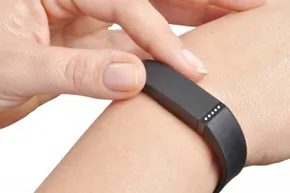
Look at your pockets. Fitness trackers and smartwatches like the Apple Watch or Pebble don’t just count steps; they act as data relays for your phone. They pull metrics from your body and push them to the cloud. But it doesn’t stop at wrists. Sensors are being sewn into clothing using boards from companies like Arduino. We are moving toward garments that monitor posture or activity without feeling like tech. Even pets are getting tagged. Collars with sensors can track location and health, adding our four-legged friends to the digital ledger.
Then there are the oddities. Toothbrushes that log brushing duration. Gaming consoles that listen for voice commands. Scales that upload your weight to social media profiles. These devices turn mundane routines into data points. They don’t just record; they communicate.
The Smart Home: From Convenience to Surveillance
Your house is waking up. It’s not sci-fi anymore; it’s available at big-box stores. Thermostats, water heaters, security cameras, and lights are no longer passive appliances. They gather data. They talk to each other. And they talk to you—mostly through your phone.
The promise here is convenience. You can check if the garage door is closed from the office. You can turn off the oven if you left it burning while at work. Smart locks replace keys with Bluetooth signals from your phone. Some systems even learn your habits. They notice when you’re gone and adjust the temperature. They detect anomalies and send alerts.
There’s that famous theoretical refrigerator that knows what’s inside. It scans ingredients, checks your calendar, and suggests recipes. It sounds like a gimmick, but engineers are already building it. The goal is simple: reduce waste, simplify cooking, and keep food fresh.
But there’s a catch. When your toaster connects to the internet, it joins a network of billions of devices. That expands the attack surface. A smart home is only as secure as its weakest sensor. If a connected lightbulb gets hacked, does it just blink weirdly? Or does it become a gateway into your private network? The convenience is real, but the exposure is too.
Smart Cities: Monitoring the Urban Pulse
We’re in the early stages of urban digitization. Entire metro areas are being layered with sensors. This isn’t just about cool tech; it’s about infrastructure survival.
Right now, utility workers walk around taking meter readings. It’s slow, error-prone, and expensive. IoT changes that. Smart meters transmit usage data automatically. But it goes deeper. Roads have sensors that detect congestion, accidents, or ice. Traffic lights adjust in real-time based on flow, not fixed timers. Garbage bins signal when they’re full, optimizing pickup routes. Parking spots report availability, cutting down on circling and emissions.
Perhaps most critically, engineers are embedding sensors in concrete and steel. Bridges and buildings can monitor their own structural health. Instead of waiting for a visual inspection or a collapse, the infrastructure itself alerts authorities to stress fractures or corrosion. It’s predictive maintenance on a massive scale. It could prevent disasters before they happen.
Connected Vehicles: The Car as a Computer
Cars have had GPS for years. Toll tags automated payments. But the modern vehicle is becoming a data center on wheels.
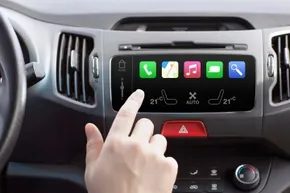
Today’s smart cars act as entertainment hubs. They provide WiFi. They track speed, fuel efficiency, and driving behavior. You can start your engine, locate your car in a parking lot, or unlock doors remotely. Emergency services can be contacted automatically after a crash.
The next step is autonomy. Self-driving cars don’t just drive; they observe. They monitor the road, nearby vehicles, pedestrians, and weather. They share this data in real-time to prevent accidents. It’s a shift from transportation to logistics. The car becomes part of a larger traffic management system. But it also raises questions about liability, data ownership, and cybersecurity. Who owns the driving data? What happens if the system fails?
Healthcare: Remote Monitoring and Embedded Tech
Healthcare is arguably the most high-stakes sector for IoT. Connected devices here don’t just offer convenience; they save lives.
Doctors can now monitor patients’ vital signs remotely. Activity levels, heart rate, and other metrics stream to caregivers. This allows for earlier intervention. It also supports aging in place. Elderly patients can live independently longer, with safety nets woven into their environment.
Hospitals are experimenting with embedded sensors. Hospital beds track patient movement. Garments monitor vital signs without wires. Researchers are developing carpets that detect falls. Even more radical are injectable computing devices that operate inside the body. These tiny sensors can track internal conditions with precision that external devices can’t match.
The potential is massive. But so is the risk. Medical data is sensitive. A breach isn’t just an inconvenience; it’s a violation of privacy and potentially a threat to life. Ensuring security in these devices is not optional. It’s foundational.
Industry and Business: Efficiency at Scale
Manufacturing, retail, agriculture, and offices are all undergoing IoT-driven transformations. The goal is always the same: reduce waste, save time, and cut costs.
GE, for example, used sensors in the ceramic mixing process for battery manufacturing. By analyzing real-time data, they determined exactly when the mix was perfect. The result? Consistent quality and drastically reduced defects. It’s a case study in how data improves physical production.
Retailers track inventory in real-time. Alerts trigger when stock is low. Agriculture monitors soil moisture and crop health, optimizing irrigation and fertilization. Livestock is tagged and tracked. Office buildings automate heating, cooling, and lighting to minimize energy waste.
The possibilities are endless because the problems are universal. Every business has inefficiencies. IoT provides the visibility to find them.
Security and Privacy Concerns
All this connectivity comes with a shadow. The more devices there are, the more entry points there are for attackers. A hacked thermostat might seem harmless. A hacked car is dangerous. A hacked medical device is lethal.
Privacy is another layer of risk. These devices collect vast amounts of personal data. Where does it go? Who sees it? Is it sold? Is it protected? Users often consent to data collection without understanding the scope.
Security is not a feature you add later. It must be built in from the start. Encryption, authentication, and regular updates are non-negotiable. But many manufacturers prioritize speed to market over security. The result is a fragile ecosystem.
We’re building a world where everything is connected. It’s efficient. It’s convenient. It’s powerful. But it’s also vulnerable. The question isn’t just what these devices can do. It’s what they expose us to. And we’re only just starting to figure that out.
We send money and personal information into the digital ether every day. We know that the cloud is the mirror of our life. But now the objects around us have awakened. They are no longer just passive tools. They produce and transmit huge streams of information about how we live, sleep, eat and move. This change raises serious privacy and security concerns that extend far beyond the leaked email.
Big data analytics are already working overtime to target us. It knows what we want before we do it. Connected devices such as smartphones act as tracking beacons. They alert us to deals when we walk by the store. But they do more than just send receipts. They reflect our purchasing behavior. They estimate our income. They guess our health status.
Consider the case of Target. The retail giant once angered a father by sending his teenage daughter baby-themed coupons. He stormed angrily into the store. He asked the manager if they would encourage her daughter to get pregnant. The manager apologized. The father later found out that the daughter was pregnant. Target hadn’t guessed randomly. Their algorithms identified specific buying patterns that signaled pregnancy with amazing accuracy.
Analyzing data can prevent fraud, but also enables the detection of hard-to-detect biases in credit, jobs, and housing.
The same data power cuts both ways. Yes, it prevents fraudulent credit card usage. It protects bank accounts. But good intentions do not guarantee good results. Biased algorithms can silently deny people loans, jobs or housing based on misinterpretations of data. The monitoring infrastructure is now growing. Systems can recognize faces. They can recognize us from our phones, our car or the things we wear. It’s a little scary.
Hacking threat in everyday life
This connection has a dark side. The science fiction theme of machines gaining sentience and evil is unlikely. We don’t need robots to rebel. All we need are hackers.
Our devices record sensitive details. Video feeds from our homes. Real-time location data. Health metrics. If criminals break in, they can steal this information. They can spy. They can wreak havoc.
Imagine being able to look into your living room while you work. Imagine someone turning on a smart stove for hours. Imagine a hacker disrupting a smart car while driving. These are not just theoretical risks. There have been frightening cases of hackers exploiting software vulnerabilities to gain access to web-enabled baby monitors. They shouted obscenities at small children over loudspeakers.
Data security holes do not only occur in high-end devices. They can be found in security cameras, smart light bulbs and health monitors. Some violations are minor annoyances. Others are unsettling. Some are dangerous. When it comes to personally identifying information, the risk of identity theft skyrockets. These gaps are expensive for manufacturers. Lawsuits pile up. The fines are increasing. Customers’ trust disappears overnight.
Protect your smart home
How can we fix this? We need to get technical. It is extremely important to test the security of the device intensively. Firmware and software updates must be done frequently. The encryption of the data must be robust and must not be an afterthought.
The adoption of industry standards among different manufacturers could be useful. Currently, each brand plays by different rules. Consistency would reduce vulnerabilities. Companies should strengthen their own internal information security. You need tight control over who uses the data you collect.
Consumers need options. We should be able to choose how much information is collected. We should control how it is used. Some experts suggest a “minimum necessary” approach. Collect only what is necessary to use the device. Delete old data often. Program your gadgets to update automatically.
There is an even more radical proposal. Program them to die. If the device is no longer supported, it is a security vulnerability. It should no longer work. Better a broken light bulb than a hacked entry point.
The economic impact of IoT

Small businesses are already feeling the shake. You don’t need a clunky cash register or a dedicated credit card terminal to accept payments anymore. All you need is a smartphone, a tablet, or a cheap plastic card reader, plus an internet connection. Services like Square and PayPal handle the heavy lifting, taking a small slice of each transaction. This shift lowers the barrier to entry for anyone wanting to sell something. It’s a direct result of connected mobile devices disrupting traditional retail models.
Insurance is next in line for this kind of overhaul. Sensors can now sit on virtually anything. They detect risks and dangers before they become disasters. Insurers might reward policyholders for using these devices. Or they might penalize them for risky behavior, like speeding. The data changes the relationship between provider and customer. It’s no longer just about paying premiums; it’s about proving you aren’t a liability.
Efficiency and the Bottom Line
Automation is the engine here. It drives efficiency. When embedded technology can report conditions in real time, waste plummets. Perishable goods don’t rot in transit. Materials aren’t lost to manufacturing glitches. Downtime from unexpected machine failures shrinks. Energy consumption drops. These factors all flow directly to the bottom line.
Real-time data also means better decisions. Companies can react instantly instead of waiting for quarterly reports. And let’s be honest: data is money. If businesses are already monetizing what they have, imagine what they’ll do with the sheer volume coming from IoT. They will find new ways to package and sell it.
The Job Market Paradox
There’s a fear that this automation will kill jobs. Manual labor for inventory stocking. Monitoring manufacturing lines. Reading utility meters. These tasks are disappearing. But history offers a counterpoint. Take ATMs. They went online in the mid-1970s. They took over tasks once performed by bank tellers. Did teller jobs vanish? No. The Bureau of Labor Statistics found that teller jobs actually increased from 1999 to 2009. Why? Because lower staffing costs made opening new branches cheaper. Banks expanded, hiring more people.
Automation often shifts required skills rather than eliminating roles. Mundane tasks get handled by machines. Humans move to more complex problems. Sometimes, product demand increases so much that more jobs are created than were lost. It’s a shift, not necessarily a disappearance.
New Roles in a Connected World
The Internet of Things will likely create more jobs than it destroys, particularly in specific sectors. Sales and maintenance of hardware will need humans. Developing the analytics software that makes sense of the data is a growing field. Data analysis itself is a major employer, though automated programs are starting to handle the heavy lifting.
IT staff will be needed to monitor these connected services. Customer support will expand to handle the quirks of smart devices. Data centers must grow to store the influx of information. Cisco estimated that annual data creation from IoT devices would jump from 113.4 zettabytes in 2013 to 403 zettabytes by 2018. That’s a lot of servers. That’s a lot of cooling. That’s a lot of jobs.
The Price of Admission
Machina Research valued the IoT ecosystem at around $900 billion in 2014. They predicted it would hit $4.3 trillion by 2024. That’s bigger than the economies of many nations. Other analysts see the potential value reaching $6.2 trillion by 2025.
Getting on board isn’t free. Companies face large IT investments. Business processes must change. New equipment is required. Internet bandwidth needs to scale up. Storage capabilities must expand. Staff needs training to deal with the new technology. But the return on investment could be just as massive. If the efficiency gains hold up, the cost is worth it.
Sustainability and Convenience
Beyond the balance sheet, there’s a broader impact. Smart cities, buildings, and homes reduce waste. They cut pollutants. They lower greenhouse emissions. This makes modern life more sustainable in the long run.
Then there’s the convenience factor. These devices save time. They save effort. That time can be redirected to work that is personally rewarding. Or it can be redirected to nap time. Who’s against that? The technology is here. The economy is shifting. The question is just how you’ll adapt to the new rhythm.