Democracy isn’t a spectator sport. Yet most countries treating their half-year turn as the President of the Council of the European Union forget this. Usually, the process is a closed door. Bureaucrats talk to other bureaucrats. Academics swap notes with NGO leaders. The public stays home, mostly confused by acronyms like Treaty of Lisbon or Common Foreign and Security Policy.
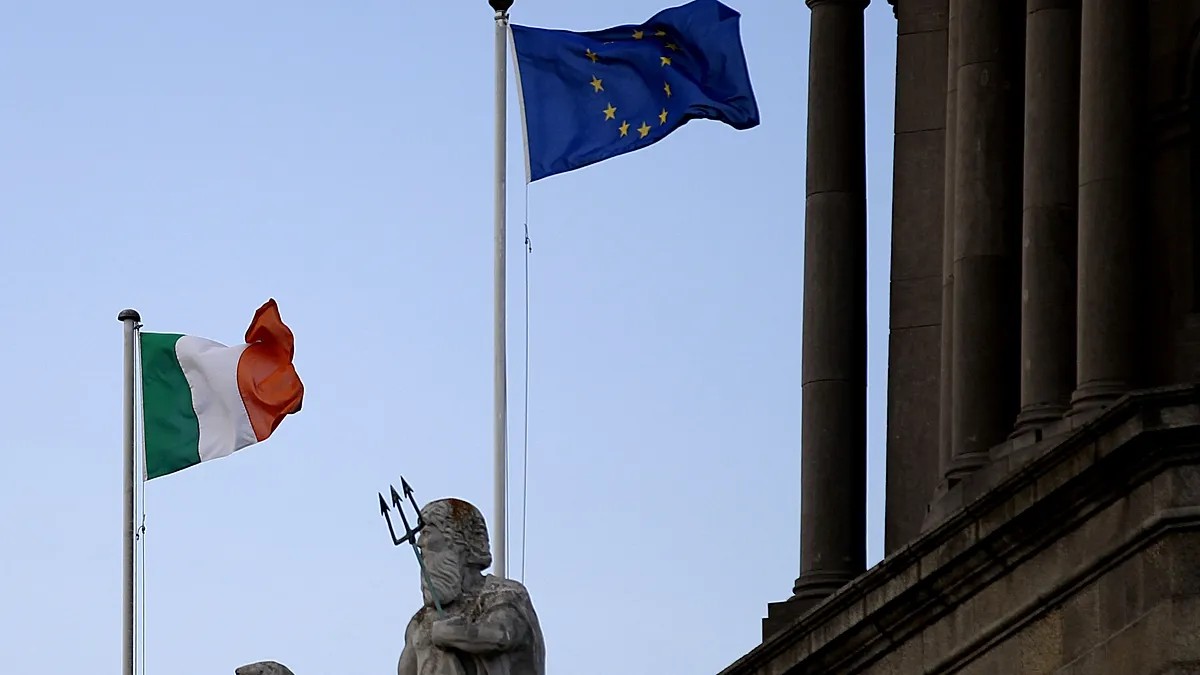
Ireland decided to try something else for its 2026 EU Presidency. They didn’t just whisper in the ears of the powerful. They opened the floor to everyone. It was a stark departure from the standard playbook, proving that national perspective within a presidency agenda doesn’t have to be a myth.
How The Irish Consultation Design Actually Worked
Timing matters. Ireland kicked off this experiment on November 5, 2025. That’s eight months before they actually take the gavel in Brussels. Eight months feels like a long time in politics. It allows for breath. Space to think.
The consultation lasted five weeks and three days. They accepted late entries for a few extra days. Grace. The questions weren’t trapped behind a paywall or hidden in a dense PDF. They were plastered across government sites and press releases, visible to anyone who looked.
But the real genius? The format. No essays required. No law degree necessary. Respondents answered four background questions and five main ones. You had 500 words max per answer. That forces clarity. It cuts the waffle.
Here is what they asked:
- What are your top high-level thematic priorities?
- Which policy areas or legislative proposals need focus, and what should the goal be?
- How can the Council work impact people, businesses, and communities positively?
- How do we sell EU membership back to the people? How do we make them feel ownership of this Presidency?
- Anything else you want to shout into the void?
No trick questions. Just direct requests for opinion.
What People Actually Wanted To Discuss
Did everyone care? Apparently yes. The Irish government received 484 submissions. Who showed up? Not just the usual suspects in suits. Individuals. Civil society groups. Business owners. Academics. Representative bodies.
The data from Annex I tells a specific story about what Ireland cares about right now.
Competitiveness came in first. 14.15% of responses prioritized this. Values weren’t far behind at 12.32%. Health took the third spot at 11.46%.
But drill down into that “competitiveness” number and you see the frustration boiling under the surface. 57.8% of those respondents didn’t want vague promises of growth. They wanted simplification. They wanted the red tape gone. 36.2% wanted a push on tech, innovation, and research.
People want rules to be easier. They want the EU to be less of a headache for doing business.
Why This Model Should Be Copied By Others
The open format did two things simultaneously. First, it let policymakers see what was actually hurting local sentiment. Second, it educated the public.
Is interest in EU affairs naturally high? Hardly. Most folks couldn’t tell you the difference between the Commission and the Parliament without a wiki lookup. But this exercise stimulated interest. It forced a conversation about ownership.
Simplicity wins. Every time. By keeping the duration short and the questions clear, Ireland allowed segments of society usually shut out of Brussels policy loops to participate freely. You don’t need a PhD in International Relations to answer “how do we make your life better?”
The payoff wasn’t just a pile of emails. It was a 30-page open summary. Transparent. Detailed. It explained who said what and why.
Most member states bury these reports. Ireland put them front and center. A transparent practice. One that other EU countries could learn from. If you want your citizens to buy into a project, show them their words matter. Not just in theory, but in print.
Democracy isn’t about the perfect outcome. It’s about the messy, loud process of deciding it together.
The Irish experiment suggests we can lead with more than just technical proficiency. We can lead with listening. Who knows? Maybe next time, another country will take the baton and ask the question.