Walt Disney Studios is quietly integrating artificial intelligence into its animation pipeline, a move that aims to dramatically speed up content creation while preserving the artistic integrity of its iconic brand. A recent visit to the Burbank campus revealed how Disney is collaborating with startups like Animaj to leverage AI for faster production, addressing the growing demands of the streaming era.
Зміст
The New Reality of Animation Production
For decades, animation has been a painstakingly slow process. Traditional methods could take months to produce even short episodes. But advances in generative AI are changing this. Tools like Google’s Veo and OpenAI’s Sora now allow anyone to create animated content with minimal artistic skill, raising concerns within Hollywood about job displacement. Disney, however, is positioning AI as a tool to augment rather than replace animators.
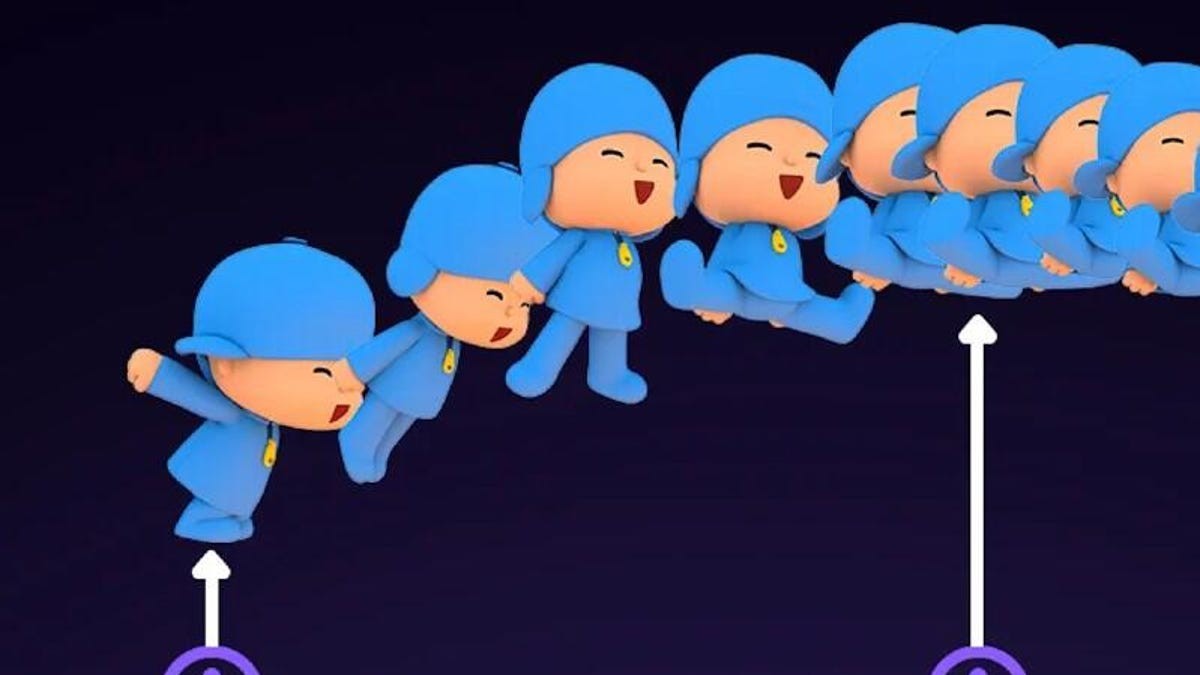
Animaj, a Disney Accelerator Program participant, demonstrates how AI can cut production time for a five-minute episode from five months to less than five weeks. This acceleration comes from AI filling in the “in-between” movements between key poses sketched by human animators, allowing them to focus on refining the creative direction.
Balancing Innovation with Artistic Control
Disney’s approach emphasizes maintaining artist control. Animaj’s AI is trained on existing show imagery, working within the parameters of an animator’s sketches to predict and refine movements. This avoids the erratic results often seen in text-prompt-based AI generators, where character consistency can be a major issue.
David Min, VP of Disney Innovation, highlights that Disney selected Animaj specifically because it prioritizes the artist’s workflow. “The artist is driving the process,” he says. “You don’t see this in tools like Sora, which spit out nonsensical videos.”
The Union’s Perspective and the Evolving Landscape
The Animation Guild has been negotiating AI safety provisions in its contracts, but has struggled to secure guarantees against forced AI usage or having work used for AI training. This reflects a broader industry tension between embracing efficiency and protecting artists’ jobs.
However, technological evolution is nothing new in animation. The shift from hand-drawn watercolor to CGI, and later to 3D animation, has always accelerated the process. AI represents the next step in this evolution.
Data-Driven Storytelling and Rapid Iteration
Beyond speeding up production, Animaj also uses AI to analyze audience data, identify trending themes, and quickly create content that resonates with current interests. This rapid iteration is crucial for Disney in the competitive streaming landscape.
The company is now testing the system with Disney Branded Television and Disney Television Studios, with plans to announce further details in the coming months. The goal is not just to make animation faster but to make it more responsive to audience demand.
The future of animation isn’t about replacing artists; it’s about empowering them with tools that streamline tedious tasks and free up creative energy.
Disney’s strategy underscores a pragmatic approach: integrating AI while maintaining the “creator-first” philosophy that has defined the company for over a century. As animation evolves, the balance between tradition and technology will determine who leads the industry forward.