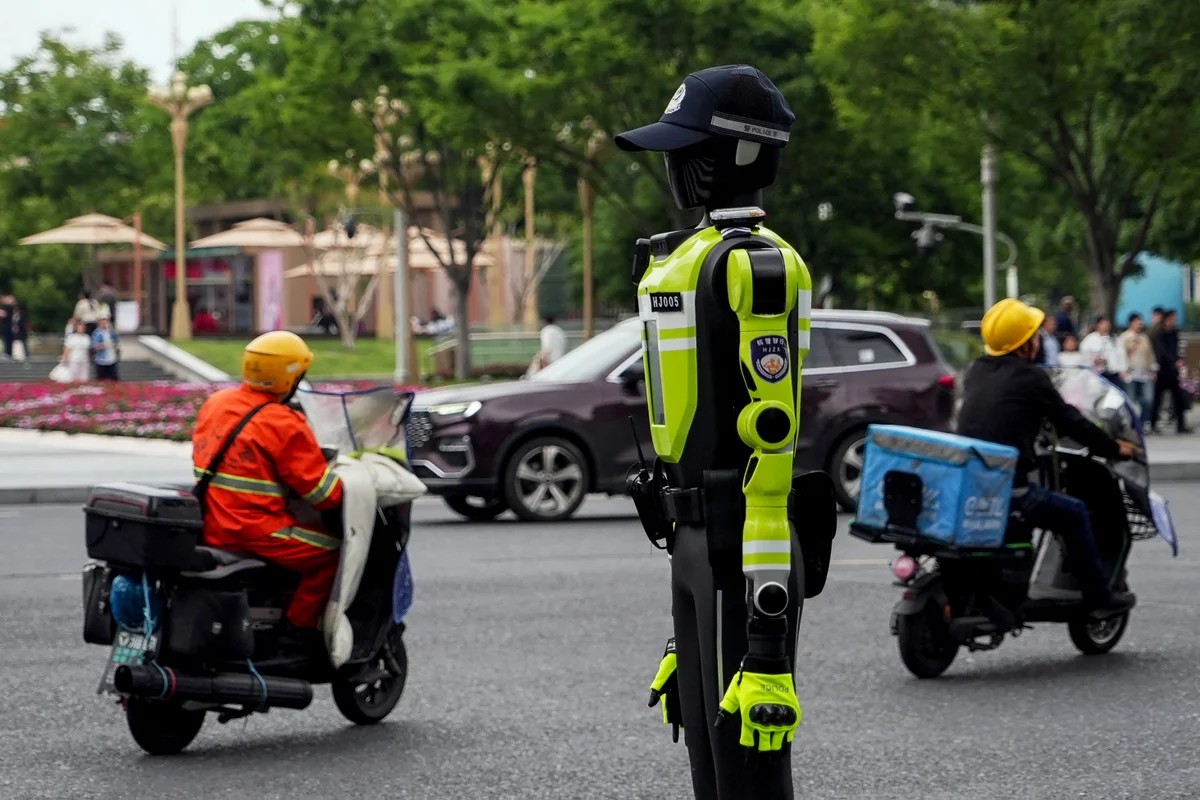
China wants a number for every machine that stands up.
It’s happening fast. The plan, confirmed by state broadcaster CCTV, assigns unique digital IDs to all humanoid robots. Think of it as a social security number for silicon souls. Authorities track the thing from the factory floor right to the recycling bin. Safety risks are the official reason, though control looks pretty good too.
“Track them better throughout their lifecycle”
The guidelines are already out. The ID system is rigid, broken into four specific parts. First, a two-digit code tracks cross-border movement. Then four digits pin the robot to its Chinese maker. Six more digits tell you the model type. The rest? A 17-digit serial number. Unique. Individual.
Who gets this? More than 100 manufacturers so far. About 28,00 robots across 200 different models have already received their digits. The Humanoid Robotics and Embodied Standardisation body is running the show under the Ministry of Industry. It is serious infrastructure.
Hardware With Strings
Don’t get too excited yet.
These machines are still clunky. Reports say they lack the dexterity humans take for granted. No fully autonomous servants walking your dog any time soon. Mostly, they hang around university labs and factories, doing site-specific trials. They are only partially efficient, experts admit. Humans are still better at almost everything involving hands.
But the ambition is real. Eldercare is coming. Domestic cleaning is on the list.
There’s a bigger picture here. China is cutting ties with US tech dependencies. Specifically Nvidia chips. The local hardware supply chain is surging, building its own guts for its own machines. Independence costs money, but they’re willing to pay.
GigaAI Leads The Way
GigaAI is making waves.
They unveiled SeeLight S1. The first general-purpose humanoid in China. It’s not a drone on tracks. It has arms. Wheels. A goal. Built with the Hubei Humanoid Innovation Centre, the bot is aiming for homes. Free testing starts in Wuhan by mid-2027. That’s far off, but the prototype works.
Watch the video. The robot chops vegetables. Fries an egg. Loads laundry. It moves with a strange, mechanical grace. Other firms like Unitree and Agibot are close behind, pushing hardware innovation forward.
We are building bodies for minds we haven’t fully figured out yet.
Will we let them cook our dinners before they learn not to trip? Maybe. Maybe not.
The IDs are already assigned.