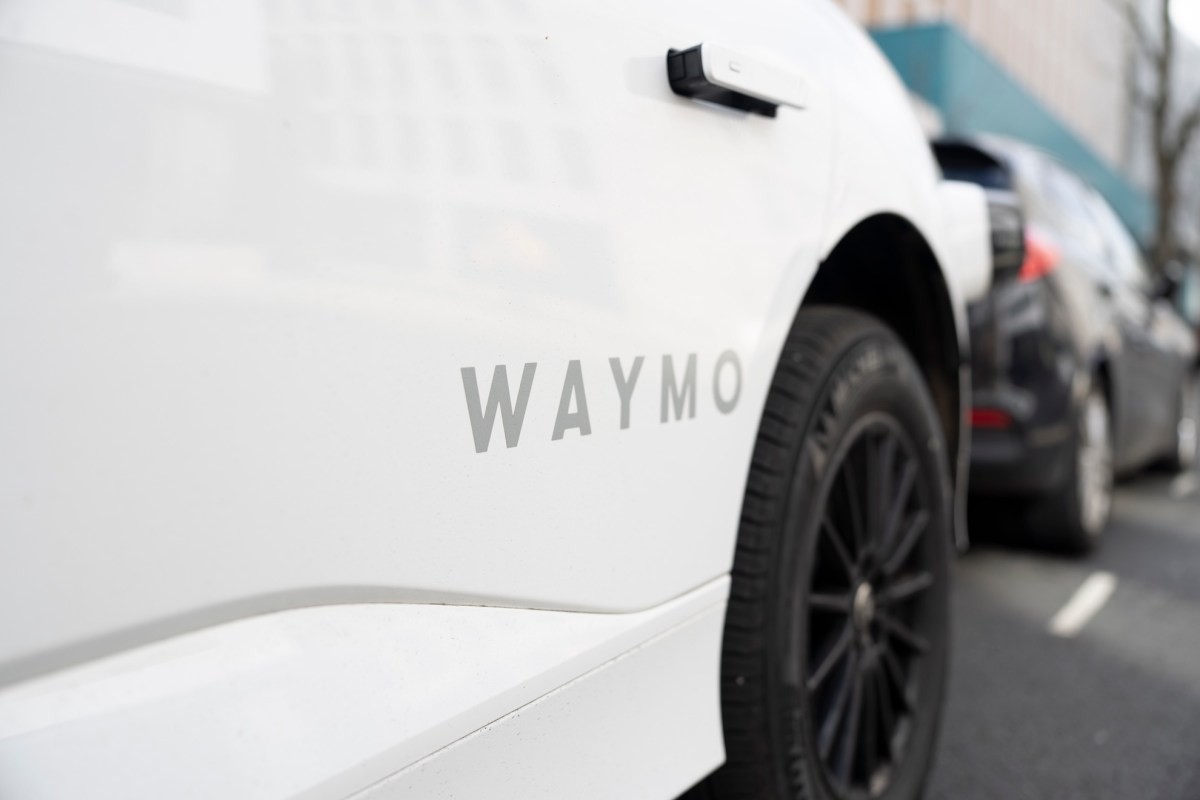
Alphabet-owned Waymo has officially begun testing its autonomous vehicles on public roads in London. This move marks a significant milestone in the company’s mission to bring its commercial robotaxi service to the United Kingdom, with a full launch targeted for later this year.
Зміст
The Testing Phase: From Mapping to Autonomy
The transition to autonomous driving in London has been a multi-stage process. Before deploying self-driving software, Waymo employees manually drove vehicles through the city to create high-definition maps of the local streets.
Currently, the testing involves all-electric Jaguar I-Pace vehicles equipped with Waymo’s proprietary driving technology. While the vehicles are capable of self-driving, they are not yet operating without supervision; a human safety operator remains behind the wheel to monitor performance and manage the unique complexities of UK traffic.
Waymo co-CEO Dmitri Dolgov noted that the core driving AI is “generalizing very well,” and that the current phase is focused on mastering “local nuances”—such as specific road markings, weather patterns, and driving behaviors unique to British roads.
Building a Local Infrastructure
Waymo is not just testing cars; it is building a physical and operational footprint in the UK. To support its European expansion, the company is:
– Hiring locally to build a specialized workforce.
– Establishing multiple AV service centers across London to maintain the fleet.
– Collaborating with emergency services to ensure autonomous vehicles can interact safely with first responders.
This infrastructure-first approach is critical for public safety and regulatory trust, which are often the biggest hurdles for autonomous vehicle (AV) companies.
The Path to Public Deployment
While testing is underway, the timeline for a completely driverless experience remains subject to regulatory approval. If Waymo follows its established playbook used in the United States, the rollout will likely follow this sequence:
1. Supervised testing (current stage).
2. Driverless testing with human monitors.
3. Internal testing, where Waymo employees use the service.
4. Public deployment, allowing residents to hail robotaxis via an app.
The company’s goal to launch a full service by 2026 depends heavily on the U.K. government finalizing the regulatory framework for autonomous passenger operations.
A Growing Global Footprint
Waymo’s entry into London is bolstered by years of investment in UK-based technology. In 2019, the company acquired Latent Logic, an Oxford University spin-off, which helped enhance Waymo’s simulation capabilities through advanced machine learning.
Currently, Waymo operates a fleet of over 3,000 robotaxis across 11 major U.S. cities, including Phoenix, San Francisco, and Los Angeles. The London expansion represents a vital step in transforming Waymo from a domestic American service into a global leader in autonomous transportation.
The Bottom Line: Waymo’s London testing is a high-stakes attempt to prove that its AI can handle the complexities of European urban driving, setting the stage for a potential shift in how Londoners move.